From Isolated Meals to Connected Moments: How Shared Calendars Brought Our Family Back to the Dinner Table
Gone are the days when everyone ate dinner at different times, lost in their own schedules. I remember standing in the kitchen, wondering if anyone would actually sit down to eat—until we started using a simple shared calendar. It didn’t just organize our week; it brought us back to the table, together. What felt like a small tech tweak turned into a lifeline for connection, routine, and even better health. This is how one ordinary tool transformed our family dinners—and our lives.
The Dinner Table That Almost Disappeared
There was a time when the dinner table was the heart of our home. You could count on the smell of something warm coming from the kitchen, the clink of forks, and the sound of everyone talking over each other, laughing about school drama or sharing stories from work. But slowly, that rhythm faded. Between my late shifts, my husband’s volunteer coaching, and the kids’ homework and extracurriculars, dinner became whatever was fastest—microwave meals eaten in front of screens, leftovers grabbed between Zoom calls, or nothing at all. I’d find half-empty plates scattered around the house, eaten in silence, alone.
I didn’t realize how much we’d lost until one rainy Tuesday. I had made a big pot of chili, something I knew everyone loved. I set the table, lit a candle, and waited. By 7:30 p.m., only one kid showed up. The others texted last-minute: study group, late practice, extra credit assignment. My husband was stuck in traffic and wouldn’t be home until after eight. I sat there, staring at five empty chairs, feeling like I’d cooked for ghosts. That moment hit me hard. It wasn’t just about the food—it was about the absence of us. We were living under the same roof, but we weren’t really sharing our lives.
I started noticing other things, too. My younger daughter began skipping dinner more often, saying she wasn’t hungry, but later I’d catch her sneaking candy bars at midnight. My son’s energy seemed off—tired, irritable. And my husband? He’d lost weight, but not in a healthy way. He admitted he was surviving on coffee and vending machine snacks during the week. We weren’t just disconnected at dinner—we were drifting apart in how we took care of ourselves. That night, I made a quiet promise: something had to change. We needed a way to see each other’s lives, not just live beside them.
Discovering the Power of a Shared Family Calendar
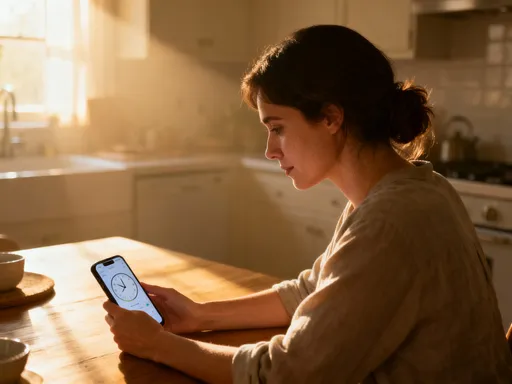
I’ve never been a tech fanatic. I use my phone for calls, texts, and the occasional recipe search. But when a friend mentioned her family used a shared calendar app, I listened. “It’s like group texting, but for our whole lives,” she said with a laugh. “We see each other’s meetings, dentist appointments, and even when someone’s doing laundry. Sounds weird, but it keeps us from stepping on each other’s toes.” I was skeptical. Would it feel invasive? Would the kids hate it? But I was also desperate. If a digital calendar could help us eat together once a week, it was worth a try.
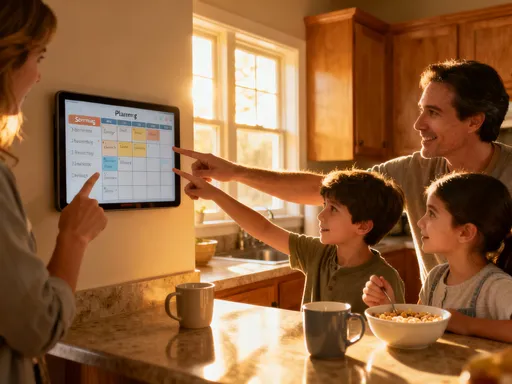
So I set one up—simple, free, and accessible from any device. I invited everyone: my husband, both kids, even my mom, who sometimes joined us for Sunday dinner. At first, it felt strange. I’d see my daughter mark “band rehearsal – don’t bother me” in bright pink, or my son block off two hours for “video game time” in bold green. But slowly, we started using it for more than just schedules. I added recurring events: “Family Dinner – Every Friday,” “Mom’s Yoga Night,” “Dad’s Grill Night.” I even put in reminders for grocery runs and “vegetarian night” to support my husband’s new eating goals.
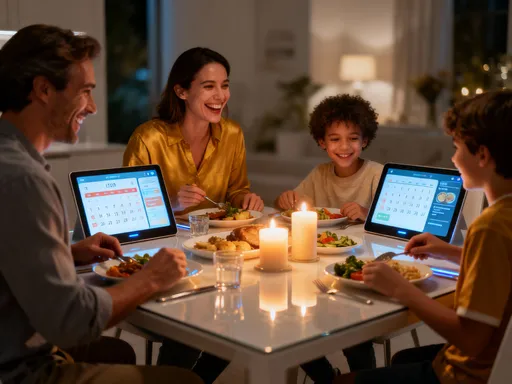
The real shift happened when we started treating dinner like an appointment—something non-negotiable. Instead of asking, “What’s for dinner?” we’d check the calendar. “Oh, it’s Dad’s turn to cook—steak and potatoes.” Or, “Looks like Mom planned tacos. Should I set the table early?” The calendar didn’t force us to eat together, but it made it easier to plan for it. It gave us a shared language, a way to say, “I see you. I know your week. Let’s make space for us.” And that small change? It started pulling us back—to the table, and to each other.
How Scheduling Dinner Changed What We Eat
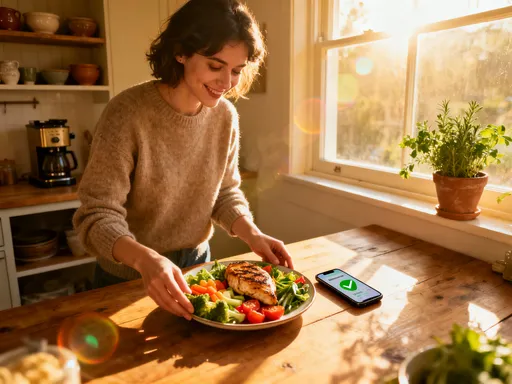
One of the most unexpected benefits of our shared calendar was how it transformed our meals. Before, dinner decisions were made in panic. “What do you want?” “I don’t know, what do you want?” Then, someone would grab takeout or throw together scrambled eggs. There was no plan, no balance, and definitely no thought about nutrition. But once we committed to eating together, meal planning became part of our routine—thanks to the calendar.
We started assigning cooking nights. Monday was mine—I’d prep slow-cooker soups or casseroles. Tuesday was my husband’s grilling night. Wednesday, the kids helped me make pasta or stir-fry. Thursday was “clean-out-the-fridge” night, and Friday was “fun night”—tacos, homemade pizza, or breakfast for dinner. We added these directly into the calendar, so everyone could see what was coming. I even started color-coding: green for healthy meals, yellow for comfort food, red for occasional treats. It sounds silly, but it worked. My son started looking forward to “Dad’s Salmon Night” because he knew it meant he’d have energy for practice the next day.
What surprised me most was how the kids began to take ownership. My daughter, who used to live on toast and fruit, started researching high-protein meals and adding them to the calendar before her soccer games. “Need fuel,” she’d write in the notes. My son began asking, “Can we do more veggie sides? I feel better when we do.” The calendar didn’t preach about nutrition—it just made healthy eating visible, predictable, and shared. We weren’t forcing anyone to eat kale; we were creating a rhythm where good choices felt normal, not like a chore. And honestly? Our grocery bills went down because we stopped buying random things and actually used what we had.
The Unexpected Health Check-In at the Dinner Table
Here’s something I never expected: regular family dinners became our family’s health check-in. Not in a clinical way—no blood pressure cuffs or symptom charts—but in the quiet, everyday way that matters most. When we started eating together again, we began to notice things. Little things. Like how my daughter would push her food around her plate on certain days, or how my husband often left the table early, saying he was “too tired to finish.”
One night, after she’d been quiet all through dinner, I asked my daughter if everything was okay. She admitted she’d been having stomachaches after school. We looked back at the calendar and realized she’d been skipping lunch three days a week. No wonder her energy was low. We adjusted her schedule, packed better snacks, and started making sure she ate something before leaving the house. It wasn’t a doctor’s diagnosis—it was just us paying attention.
Another time, my husband mentioned he’d been feeling dizzy at work. When I checked the calendar, I saw he’d only eaten dinner with us twice in the past two weeks. He’d been skipping meals, thinking he didn’t have time. We talked about it, and he agreed to block off dinner time in his work calendar, just like any other meeting. “If it’s on the calendar,” he said, “I show up.” These moments didn’t happen because of an app or a wearable. They happened because we were sitting together, face to face, and actually seeing each other. The shared calendar didn’t track our heart rates, but it created the space where we could care for each other—naturally, gently, without pressure.
Making It Work: Our Simple Calendar Rules
Of course, it wasn’t perfect at first. We made mistakes. Early on, we had too many notifications—every event, every change, every reminder buzzing on everyone’s phone. My daughter called it “calendar spam.” We also forgot to update things. Someone would have a last-minute change, but no one would mark it, so we’d show up to an empty table. Frustration built fast. I realized that if this was going to work, we needed rules—simple, clear, and respectful of everyone’s time and personality.
So we sat down as a family and made a few agreements. First, one color per person—mine is blue, my husband’s is orange, the kids each have their own. That way, we can scan the calendar and see who’s busy, who’s free, and who might need help. Second, dinner blocks are locked in by Sunday night. No changes after that unless it’s an emergency. Third, we added a “flex meal” option for nights when someone truly can’t make it—no guilt, no questions, just a quick note in the calendar. And finally, we linked our grocery list to the calendar. Every Sunday, I check the week’s meals and add ingredients to a shared list on my phone. The kids can add things they need, and we all check it before heading to the store.
We also use reminders—15 minutes before dinner, a gentle alert goes off: “Time to wash hands, set the table, and disconnect.” No phones at the table unless someone’s sharing a photo or looking up a recipe. These small rules didn’t make the calendar rigid—they made it reliable. It wasn’t about control; it was about care. We weren’t policing each other’s lives. We were saying, “I want to be there for you, and I need to know when you’ll be there for me.” And that made all the difference.
Beyond the Table: Calendars That Strengthen Family Bonds
Dinner didn’t just become a meal again—it became a ritual. A sacred pause in the chaos of life. We started using it to connect, not just eat. At first, it was small things: “How was your day?” “Did you finish your project?” But over time, it deepened. My son began sharing when he felt overwhelmed at school. My daughter started talking about her friendships, her worries, her dreams. My husband and I reconnected, too—talking about our goals, our challenges, our gratitude.
The calendar helped in ways I didn’t expect. Birthdays appeared automatically, so no one was forgotten. We started adding little things: “Mom’s Birthday – Pancakes & Presents,” “Family Movie Night,” “No Phones Allowed – Just Us.” These weren’t grand events—they were tiny promises to be present. And because they were on the calendar, they felt real. We weren’t just hoping to spend time together; we were planning for it, protecting it.
What surprised me most was how the calendar became a record of our life. Looking back, I can see when my daughter got her first A in math, when my son started driving, when we celebrated Grandma’s 80th. The events are simple, but together, they tell our story. The tool was digital, but the moments were deeply human. We weren’t just sharing a schedule—we were sharing our lives, one dinner, one conversation, one memory at a time.
A Small Change, A Big Difference
Looking back, I’m still amazed at how much changed from one simple habit. We didn’t buy a fancy smart fridge or hire a meal prep service. We didn’t overhaul our diets or start a family fitness challenge. All we did was open a free calendar app and decide—intentionally—that we wanted to eat together. That small act created ripples I never expected. Our meals became healthier, yes. Our schedules became smoother, absolutely. But more than that, we became closer. We laughed more. We listened better. We felt like a family again.
Technology gets a bad rap sometimes. We hear about screen addiction, social media stress, and how devices pull us away from real connection. And yes, that can happen. But technology isn’t the problem—it’s how we use it. When we use it with purpose, with love, with intention, it can do something beautiful: it can bring us back to each other. The shared calendar didn’t fix everything. We still have busy weeks, missed connections, and stressful days. But now, we have a way to find our way back—to the table, to the conversation, to the quiet comfort of being together.
If you’re standing in your kitchen, wondering if anyone will come to dinner, I want you to know: it’s not too late. Start small. Create one shared calendar. Block off one night a week. Invite your family in. It won’t be perfect, and that’s okay. What matters is showing up—for the meals, for the moments, for each other. Because those everyday dinners? They’re not just about food. They’re about belonging. They’re about love. And with a little help from technology, they’re still possible—for all of us.