Tired of Worrying When the Lights Go Down? A Quiet Way to Keep Your Family Close
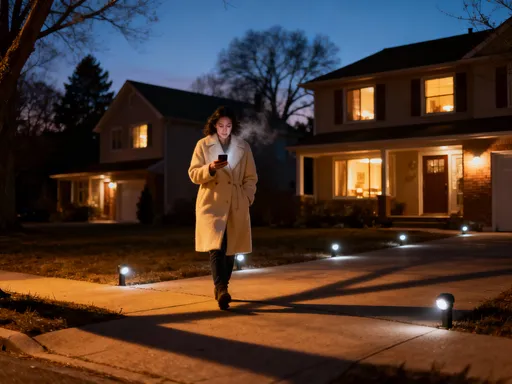
Walking home after dusk, you clutch your phone a little tighter. The streetlights flicker, and your mind races: What if someone follows me? What if Mom falls at night and can’t reach the phone? We’ve all felt that quiet hum of unease after sunset. But what if help wasn’t just in your pocket — but woven into the rhythm of your evening? This isn’t about fear. It’s about peace. And a small tech shift might be the thread that holds your family a little closer when the world goes quiet.
The Unseen Weight of Evening Hours
As the sun dips below the horizon and the sky turns deep blue, something shifts in our homes. The kids come back from soccer practice, dinner dishes are cleared, and the house settles into a soft hush. But beneath that calm, many of us carry a quiet tension. It’s not loud or dramatic — it’s the kind of worry that hums in the background, like an appliance left on overnight. You don’t always name it, but you feel it: the unease that comes when the world grows darker and quieter.
I remember when my sister started driving home late from her nursing shift. Every night, without fail, she’d text, “Made it. Love you.” At first, it was sweet. Then it became routine. Then, it became something else — a tiny ritual of reassurance that kept my mom from pacing the living room until she heard the car pull in. We all do this, don’t we? We create little systems to feel safe: the nightly phone call to Dad, the “I’m home” message from the teen, the habit of checking the porch light before bed. These aren’t signs of fear — they’re signs of love. But they also show how much effort it takes just to feel connected when the lights go down.
The truth is, most of our worries aren’t about big disasters. They’re about the small, everyday moments that could go wrong — a missed step on the stairs, a dizzy spell in the kitchen, a car that breaks down on a lonely stretch of road. And because we don’t have a seamless way to stay in touch, we fill the silence with check-ins, texts, and habits that, over time, wear us down. We’re not just protecting ourselves — we’re carrying the emotional weight of being the one who has to remember, the one who has to call, the one who has to worry.
But what if we didn’t have to? What if, instead of relying on memory or effort, we had quiet, gentle systems that helped us stay connected without the strain? Not something loud or clunky, but something that fits into the flow of our lives — like a nightlight that never burns out.
When Panic Meets Poor Timing
Let’s talk about what happens when things go wrong — not in movies, but in real life. There’s a story I heard from a friend in my book club. Her father, a retired teacher, lives alone. One evening, he got up to make tea, slipped on a rug, and fell. He wasn’t badly hurt, but he landed awkwardly and couldn’t get up. His phone was on the counter, just out of reach. For over an hour, he lay there, trying to call out, hoping a neighbor might pass by. He wasn’t in pain, not really — but he was scared. And when his daughter finally called, worried because he hadn’t answered his usual goodnight text, that’s when help came.
She told me, voice shaking, “I keep thinking — what if I hadn’t called? What if I’d just assumed he was asleep?” That “what if” lives in all of us. It’s not guilt over neglect — it’s the ache of knowing how close we came to missing something important. And it’s not just about falls. It’s about moments when we’re too dizzy to dial, too disoriented to speak, or too far from a phone to reach it in time. The problem isn’t that we don’t care. It’s that our tools for care are built for perfect timing — and emergencies never come on schedule.
I think about the neighbor down the street, Mrs. Lang, who had a minor stroke last winter. She was found because her porch light stayed on all night — something her daughter noticed through a shared home app. No alarm went off. No one pressed a button. But the light — that small, silent signal — said something was off. It wasn’t dramatic, but it was enough. These near-misses aren’t rare. They’re just usually invisible. We don’t hear about them until someone gets lucky.
So what if we didn’t have to rely on luck? What if help could come not because someone remembered to press a button, but because the house itself noticed something was wrong? Not with a blaring siren, but with a gentle nudge — a notification, a quiet alert, a soft voice asking, “Are you okay?” That’s not science fiction. It’s the quiet promise of how technology can support us — not by replacing human care, but by making it easier to give and receive.
Beyond Alarms: Designing for Real Life
Let’s be honest — most emergency alert systems don’t feel like they belong in our homes. They look like hospital equipment. Big buttons, loud beeps, plastic wristbands that scream, “Something’s wrong!” before you’ve even decided if it is. And because they feel so clinical, so heavy with meaning, we avoid using them. I’ve seen them in drawers, in boxes, tucked away like a bad omen. Not because people don’t care — but because the tools don’t fit the life.
We don’t live in hospitals. We live in homes — with soft lighting, favorite mugs, family photos, and the smell of dinner still in the air. So why should our safety tools feel so out of place? The shift we need isn’t in making louder alarms, but in making quieter ones — systems that don’t shout, but whisper. This is the idea of invisible safety: protection that blends into the background of daily life, only stepping forward when needed.
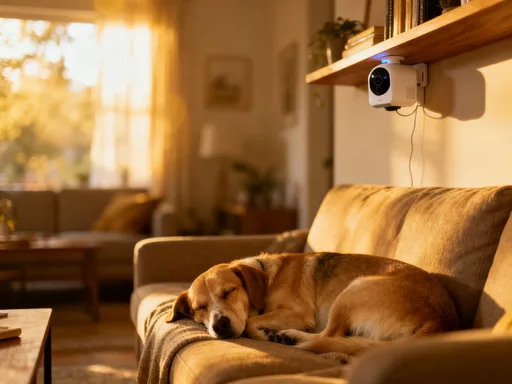
Imagine a voice assistant that learns your rhythms. It notices when you usually go to bed, when the kitchen light turns on for a midnight snack, when the front door clicks shut after the evening walk. If one of those patterns changes — if the light doesn’t turn on, if no movement is detected for hours — it might gently ask, “Hey, everything okay?” No panic. No siren. Just a check-in, like a friend calling to say they’re thinking of you.
Or picture a wearable — not a bulky medical device, but something as simple as a smartwatch or a pendant that feels like jewelry. It can detect a fall, yes, but it can also sense prolonged stillness. If you sit too long without moving, it might send a quiet alert to your daughter’s phone: “Mom hasn’t moved in 90 minutes. Want to check in?” No pressure. No embarrassment. Just a nudge, a bridge between silence and connection.
This isn’t about turning your home into a lab. It’s about making technology feel human — something that supports, not interrupts. The goal isn’t to eliminate worry completely — that’s impossible, and maybe even undesirable. But it is possible to reduce the weight of it, to make care feel lighter, easier, more natural.
How One Neighborhood Changed the Night
It started with a potluck. That’s what Mrs. Alvarez, the organizer, always says. “We weren’t trying to solve safety,” she laughs. “We just wanted to eat together.” But over lasagna and lemonade, a few neighbors mentioned how nervous they were for their aging parents, how hard it was to know if someone was okay without calling every hour. One woman said her mom refused a medical alert system because it “made her feel old.” Another shared that her teenage son walked home late and she stayed awake until she heard the key in the door.
That’s when someone mentioned a shared safety app — not for tracking, not for surveillance, but for gentle check-ins. The idea was simple: opt in, share small signals — like whether your porch light is on, or if you’ve opened the front door after 8 p.m. — and let your circle know you’re okay. No cameras. No location data. Just digital handshakes. The community center agreed to host a monthly “Evening Check-In Circle,” where neighbors could learn about the tools, ask questions, and decide what felt right for their families.
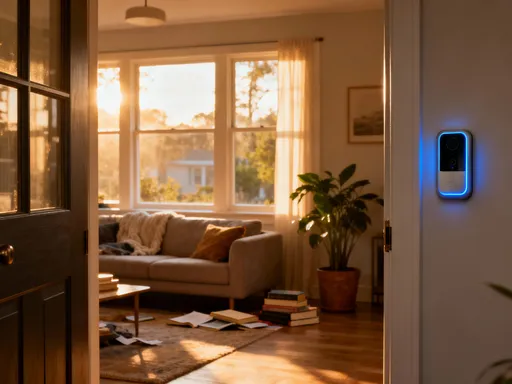
At first, only a few signed up. But within months, nearly half the block was using it. One family set up a smart lamp that glowed blue when the teen got home — no text needed. Another used a voice assistant to send a nightly “all clear” ping to their daughter in another state. And for seniors, it was a game-changer. Mrs. Lang, who once felt isolated, now smiles when she says, “My light tells my daughter I’m up and moving. She doesn’t have to worry. And I don’t have to remember to call.”
What surprised everyone was how much trust grew from such small gestures. People started leaving notes, borrowing sugar, walking dogs for neighbors who weren’t feeling well. The app didn’t just make them safer — it made them closer. Because when you know someone is quietly looking out for you, you’re more likely to look out for them, too. Safety, it turns out, is contagious — especially when it’s built on care, not fear.
Making It Work in Your Home
You don’t need to overhaul your home to feel safer. In fact, the best systems are the ones that start small — so small you barely notice them at first. Think of it like adding a nightlight to a hallway. You don’t do it because you’re afraid of the dark. You do it because it makes the path a little easier to see.
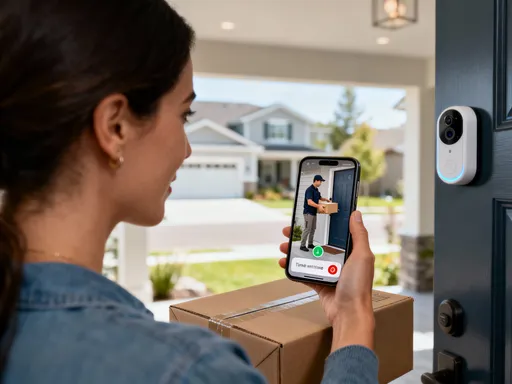
Start with what you already have. Do you own a smart speaker? Many now come with built-in fall detection or voice-activated check-ins. Try saying, “Hey, I need someone,” and see what happens. You can set it up to call a family member, send a text, or even contact emergency services — all without touching a phone. It’s not about expecting a fall. It’s about knowing help is there if you need it.
Next, consider a wearable. Look for something that feels like part of your routine — a watch, a necklace, even a ring. The key is discretion. It shouldn’t scream “medical device.” It should feel like an accessory, something you forget you’re wearing — until it matters. Many can detect falls and send alerts automatically. Some even monitor heart rate or activity levels, giving you and your family peace of mind without constant checking.
Lighting can also play a quiet role. Smart bulbs can be programmed to turn on at dusk, creating a warm, welcoming glow. You can set them to mimic your usual evening routine, so if you’re not home, the lights still come on — making your house feel lived-in and reducing worry for those who care about you. And if you forget to turn them off? No problem. They’ll shut down on their own.
The goal isn’t to turn your home into a fortress. It’s to create a cocoon — a space where you and your loved ones feel supported, not watched. Choose tools that feel like helpers, not intrusions. Set them up with care, test them with your family, and talk about how they make you feel. Because the most important part isn’t the tech — it’s the conversation it starts.
The Ripple Effect of Feeling Safe
When we stop carrying the weight of constant worry, something beautiful happens — we start living more fully. I’ve seen teens stay out a little later with friends, not because they’re reckless, but because they know help is there if needed. I’ve watched elders take evening walks again, not because they’re suddenly stronger, but because they feel supported. And I’ve heard from parents who finally sleep through the night, not because nothing can go wrong, but because they trust the quiet systems in place.
Safety isn’t just about preventing harm. It’s about creating space for joy. When you’re not constantly scanning the horizon for danger, you can focus on what matters — the laughter at dinner, the quiet moment with a book, the phone call with an old friend. You worry less, not because you care less, but because you’re no longer doing all the work alone.
And the benefits ripple outward. Families talk more. Neighbors check in. Communities grow stronger. Because when you feel safe, you’re more likely to reach out, to invite, to care. It’s not about building walls — it’s about opening doors. The right tools don’t isolate us. They connect us — to our homes, to our families, to our sense of peace.
One mother told me, “I used to lie awake listening for the front door. Now, I hear my daughter’s smart lamp turn on, and I know she’s home. And I can finally rest.” That’s not just convenience. That’s freedom. And it’s available to all of us — one small step at a time.
Building Calm, One Evening at a Time
We don’t need louder alarms. We need quieter connections. We don’t need to fear the dark — we need to trust the light we’ve built together. The future of safety isn’t in panic buttons or flashing lights. It’s in the gentle hum of a system that says, You’re not alone. It’s in the soft glow of a lamp that tells your daughter you’re okay. It’s in the voice that asks, Are you alright? and means it.
This isn’t about replacing human care with machines. It’s about using technology to make that care easier, more seamless, more constant. It’s about letting our homes hold us a little closer when the world goes quiet. And it’s about remembering that the strongest safety net isn’t made of wires or sensors — it’s made of love, attention, and the quiet promise that someone is looking out for you.
So here’s my question to you: Who do you want to feel closer to at night? Is it your aging parent? Your teenage child? Your neighbor down the street? And what small step could bring that peace within reach? Maybe it’s setting up a shared light routine. Maybe it’s downloading a simple check-in app. Or maybe it’s just starting the conversation — asking, How can we look out for each other?
Because safety isn’t a product. It’s a practice. And every evening, we get another chance to build it — not with fear, but with love. One light, one voice, one quiet moment at a time.