I keep missing deals I meant to use: How coupon apps finally fixed my shopping rhythm
We’ve all been there—saving a coupon “for later,” only to forget it exists by checkout. That nagging feeling of missed savings, wasted time, and grocery bills that creep higher each week. I felt it too—until I stopped treating coupons as chores and started weaving them into my daily flow. It wasn’t about clipping more; it was about timing, habit, and the right tech. This is how a few smart tools transformed my routine, cut my spending, and gave me back mental space I didn’t know I’d lost. What felt like a small fix turned into something much bigger: a calmer, more confident way of moving through the week.
The Chaos of Forgotten Discounts
Remember that time you stood in the frozen food aisle, holding two boxes of chicken nuggets, one marked “on sale,” the other not—and then realized too late that you had a $2-off coupon in your email? You’d saved it with every intention of using it, but life got busy. The kids needed help with homework, dinner was late, and by the time you remembered, the coupon had expired. That’s the story of my shopping life for years. I wasn’t alone. So many of us try to be smart about spending, collecting digital coupons like digital treasure, only to let them vanish into the void of forgotten inboxes and cluttered browser tabs.
I used to keep a folder labeled “Savings” in my email, thinking that would help. But it grew into a mess of 150 unread messages—weekly flyers, flash sale alerts, loyalty rewards, and promo codes I swore I’d use “next time.” I’d open the folder on Sunday night, overwhelmed, and give up. Or I’d get a push notification from a store app while walking through the parking lot, but by the time I unlocked my phone, I was already inside, cart in hand, and the moment passed. The worst was finding a receipt later and realizing, “Wait—I could’ve saved $7 on this laundry detergent.” That little punch of regret, that quiet voice saying, “You could’ve done better,” started to wear me down.
It wasn’t just about the money, though that mattered. It was about trust—trusting myself to follow through, to stay organized, to not let good intentions slip away. I began to feel like I was failing at something small but important. And the irony? The very tools meant to save me money were adding stress. Instead of feeling in control, I felt scattered. The dream of being the savvy shopper—the one who always has the right coupon at the right time—felt further away than ever. I needed a different approach. One that didn’t rely on memory, willpower, or perfect timing. I needed something that worked with my life, not against it.
Meet the Tools That Remember for You
The turning point came when I stopped trying to remember everything myself. I realized I didn’t need more discipline—I needed a system that could keep track for me. That’s when I discovered apps like Rakuten, Honey, and Ibotta. These aren’t flashy or complicated. They don’t require hours of setup or a tech degree to use. But they do something quietly powerful: they act as a second memory, one that never forgets a deal.
Take Ibotta, for example. I started using it during my regular grocery run. All I had to do was open the app before walking into the store, tap the offers I might use—like $1 off Greek yogurt or $2 back on frozen vegetables—and shop as usual. Afterward, I uploaded my receipt with my phone’s camera. Within minutes, the cashback appeared in my account. No codes to enter, no receipts to mail in. It was that simple. And because the app sent me a reminder when I was near a store, I stopped missing deals just because I forgot to check.
Honey worked differently but just as well. It lived in my browser as an extension. Whenever I shopped online—whether buying school supplies, new kitchen towels, or birthday gifts—it automatically searched for and applied available coupon codes at checkout. I didn’t have to open another tab or hunt for promo codes. Honey did it for me. I remember one time, I was buying a new coffee maker, and Honey found a 15% off code I’d never seen anywhere else. That was $30 back in my pocket, with zero effort. Rakuten added another layer, giving me cashback on top of sales at hundreds of stores I already shopped at—like Target, Walmart, and Ulta. Over time, those little wins added up to real money.
The real magic wasn’t in the savings alone. It was in the relief. I no longer had to stress about remembering every deal. These tools didn’t just help me save—they gave me permission to let go. They handled the tracking, the timing, the details. And in doing so, they freed up mental space I didn’t even know I was using. It wasn’t about being more productive. It was about being more present. I could focus on picking the right apples for the kids’ lunches instead of wondering if I’d missed a coupon.
Syncing Coupons with Your Daily Rhythm
Once I had the right tools, the next step was making them part of my routine. I used to think success was about willpower—forcing myself to check apps every day. But that didn’t work. What did work was habit stacking: linking a new behavior to something I already did without thinking. For me, that was my morning coffee. While the kettle boiled, I’d open Ibotta and scan last night’s dinner receipt. It took 30 seconds. No extra time, no extra effort. It just became part of the rhythm.
Another cue was my commute. On days I drove to the grocery store, I set a quiet reminder on my phone that said, “Check Ibotta before shopping.” It wasn’t a demand. It was a gentle nudge, like a friend whispering, “Don’t forget your umbrella.” Over time, I didn’t need the reminder anymore. The habit had formed. I’d walk into the store, and my hand would go to my phone automatically, opening the app before I even grabbed a cart.
Weekends became my planning window. While I made my grocery list, I’d spend five minutes reviewing active offers in Rakuten and Honey. I didn’t try to use every deal—just the ones that matched what I already needed. That was key. I wasn’t chasing savings. I was letting savings come to me, naturally, as part of my regular flow. And because the apps learned what I bought, they started suggesting offers I actually cared about—like cashback on the organic milk I always buy or a discount on the dog food I pick up every month.
This shift changed how I felt about shopping. It wasn’t a chore filled with “what ifs” anymore. It became a quiet act of care—care for my family, my budget, and myself. I wasn’t scrambling to remember. I wasn’t second-guessing. I was simply moving through my week with a little more ease, a little more confidence. The system wasn’t perfect, but it was consistent. And consistency, I learned, beats perfection every time.
From Grocery Runs to Peace of Mind
The savings were real—over $400 in the first six months—but what surprised me more was the emotional shift. I started feeling lighter when I shopped. There was less mental noise, less anxiety about overspending. I wasn’t tracking every penny, but I was more aware of where my money went. And because the apps showed me my cashback balance growing, I began to see saving not as a sacrifice, but as a quiet win.
One evening, as I scanned a receipt while stirring pasta, my daughter asked, “Mom, why do you always do that?” I told her I was making sure we got money back for things we already bought. She thought for a second and said, “So it’s like getting a little gift?” Exactly. It felt like that—small, unexpected rewards that added up. And that feeling spilled over into other areas. I started making better choices—not because I was trying to “fix” anything, but because I felt more in control.
Decision fatigue used to hit me hard by Sunday night. What to cook? What to buy? What bills needed paying? But with the coupon system running smoothly in the background, one less thing weighed on me. I could say yes to the extra-curricular fee, knowing I’d already saved on groceries. I could treat myself to a new book without guilt, because I’d earned cashback on my last online order. The money wasn’t life-changing, but the peace of mind was. I wasn’t just saving dollars. I was building confidence—one small, consistent choice at a time.
Sharing the Habit with Family
What started as my personal system soon became something we did together. I showed my husband how to use Rakuten when he ordered tools online. He was skeptical at first—“Another app?”—but when he got $12 back on a power drill, he became a believer. We linked our accounts so our cashback pooled into one balance, which we used for family outings. It turned saving into a shared goal, not a personal project.
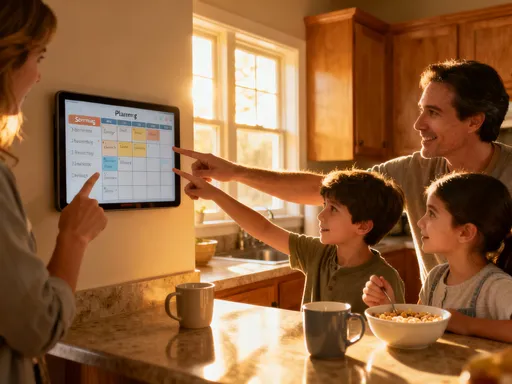
We also started using shared lists in the grocery app. I’d add items with active Ibotta offers, and he’d check them off as he shopped. The kids got involved too—scanning receipts for me after dinner became a “job” they could do. They loved seeing the balance go up. It became a quiet way to teach them about money, responsibility, and teamwork. No lectures, just practice.
There were no arguments about spending. No guilt. Just a sense that we were all contributing, in our own small ways, to something bigger. When we used our saved cashback for a picnic at the park or a movie night at home, it felt earned. That made it more meaningful. The apps didn’t just save us money—they helped us feel more connected, more united in our everyday lives.
Beyond Savings: A Smarter Daily Flow
Once I saw how one small system could make such a difference, I started wondering what else I could improve. If I could master coupons, maybe I could get better at meal planning, or finally organize the closet, or track subscriptions I’d forgotten about. The success with cashback apps gave me the confidence to try.
I started using a simple calendar reminder to review our monthly subscriptions. I found three services we weren’t using—totaling $18 a month. That’s over $200 a year, gone. I set up automatic alerts for utility bills, so I could compare rates and switch when needed. I even began tracking our energy use with a smart plug, which helped lower our electricity bill. None of these were huge changes, but together, they created a sense of order.
The rhythm I’d built with coupons became a model for other parts of my life. I stopped seeing organization as a mountain to climb and started seeing it as a series of small, doable steps. Each one gave me a little more breathing room, a little more clarity. I wasn’t trying to be perfect. I was just trying to make things a little easier, one day at a time.
Small Tech, Big Calm: Making It Last
Looking back, this wasn’t just about saving money. It was about reclaiming a sense of calm in a busy life. The real gift wasn’t the cashback balance—it was the quiet pride of knowing I’d built a system that worked. One that didn’t rely on memory, guilt, or last-minute scrambling. One that fit into my life, not the other way around.
Technology gets a bad rap sometimes. We hear it makes us distracted, overwhelmed, always “on.” But when used with intention, it can do the opposite. It can help us slow down, focus, and care for ourselves and our families in practical, meaningful ways. These apps didn’t complicate my life. They simplified it. They reminded me that I don’t have to do it all in my head. I can let the tools handle the details, so I can focus on what matters—being present, making choices with confidence, and enjoying the small wins.
If you’ve ever felt like you’re missing out on deals, or that saving feels too hard, I get it. Start small. Pick one app. Try it for two weeks. Link it to a habit you already have. Don’t aim for perfection. Aim for progress. Trust that even tiny changes, when repeated, create rhythm. And rhythm brings calm. You don’t have to be the most organized person to benefit. You just have to be consistent. Because in the end, it’s not about the coupons. It’s about building a life that feels a little lighter, a little more in your control—and a lot more like you.