Sick of killing your houseplants? This smart system learned how they like to be cared for
We’ve all been there—coming home to droopy leaves or crispy soil, feeling guilty we forgot to water again. I used to kill every plant I owned, no matter how “easy to care for” the label claimed. But everything changed when I introduced a smart plant care system into my home. It didn’t just save my plants—it reshaped how I connect with my living space, making nurturing green life effortless, personal, and surprisingly emotional. What started as a desperate attempt to stop killing peace lilies turned into a quiet revolution in how I care for my home, my time, and even myself. And if you’ve ever looked at a dying spider plant and felt a pang of failure, this story is for you.
The Last Time I Killed a Plant (And Why It Hurt More Than I Expected)
I still remember the morning I found my peace lily lying sideways on the windowsill, its leaves curled and brown at the edges. The soil was so dry it had pulled away from the edges of the pot. I’d bought it just two months earlier, full of hope, imagining how it would brighten my kitchen with its lush green leaves and elegant white blooms. I’d read the care tag—“water when top inch of soil is dry”—and thought, How hard could it be? But life happened. A school project deadline for my daughter. A last-minute work call. A weekend trip where I forgot to ask my neighbor to check in. And just like that, another plant was gone.
What surprised me wasn’t just the plant’s death—it was how much it affected me. I felt guilty, yes, but also embarrassed. It wasn’t like I’d meant to neglect it. I cared. I really did. But my good intentions weren’t enough. I realized then that plants aren’t just decorations we place on a shelf and forget. They’re living things that depend on us, quietly asking for attention in their own way. And every time I failed one, it felt like I’d broken a small promise—not just to the plant, but to myself.
I started to see a pattern. I’d buy a new plant, full of determination. I’d name it (yes, really—my aloe was “Aloe Mama”). I’d talk to it. I’d swear this time would be different. But within weeks, the leaves would yellow, the stems would weaken, and I’d be back at the garden center, starting over. The cycle was exhausting. I began to wonder: Was I just not cut out for this? Was I the kind of person who could never keep anything green alive? That’s when I realized I didn’t need more willpower. I needed help.
How I Discovered Smart Plant Care—By Accident
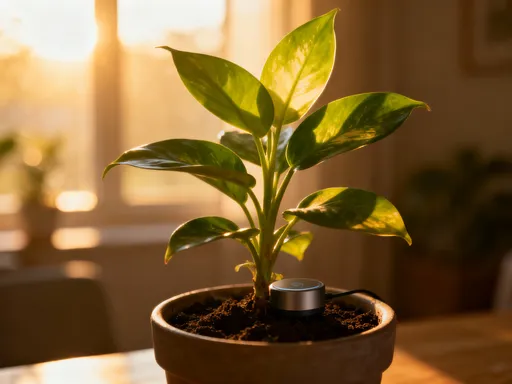
It happened in the most ordinary way. I was at a home goods store, looking for a smart light bulb to match the new shades in my living room. As I walked through the tech aisle, something small and sleek caught my eye—a little white device with a metal probe, called a smart plant sensor. It looked like a high-tech toothpick. The packaging said it could “listen to your plants” and tell you exactly when they needed water, light, or nutrients. I laughed at first. Listen to my plants? That sounded like something out of a sci-fi movie. But I was desperate. I bought one on a whim, just to try it on my snake plant—the one I’d inherited from my mom, the one I’d somehow kept alive for years through sheer neglect.
I stuck the sensor into the soil, downloaded the app, and waited. Two days later, my phone buzzed: “Your snake plant is thirsty. Time to water.” I checked the soil. It felt dry about an inch down—exactly what the care tag had said. I watered it. Within hours, the leaves seemed firmer, more upright. It wasn’t magic, but it felt like it. For the first time, I hadn’t guessed. I hadn’t relied on memory or routine. I’d responded to a real need.
That small success opened a door. I started reading about how these systems work. Turns out, they’re not just about moisture. Many can track light levels, ambient temperature, humidity, and even soil nutrients. Some use machine learning to adapt to your plant’s habits over time. I learned that different plants don’t just need different amounts of water—they thrive under different conditions, and those conditions change with the seasons, your home’s layout, even how often you open the windows. The more I read, the more I realized: I wasn’t failing because I didn’t care. I was failing because I didn’t know. And this little device wasn’t replacing my role as a caregiver. It was giving me the information I needed to do it better.
Personalization: When My Plants Finally Got a Voice
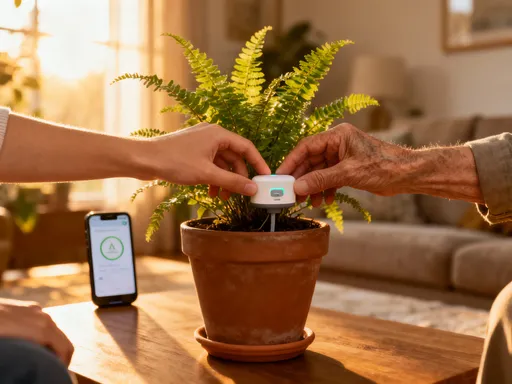
The real shift happened when I moved from one sensor to a full smart plant care system. I added sensors to my fern, my pothos, my succulent, and even the herbs on my windowsill. Each one started sending me updates—not just “water me,” but “I’m getting too much direct sunlight” or “humidity is low—consider misting” or “your soil is low in nitrogen.” At first, it felt like my plants were texting me. Then it started to feel normal. Necessary, even.
What amazed me was how personalized it became. My fern, which lives in the bathroom, loves humidity and indirect light. The system learned that and stopped nagging me to water it every few days—because in that environment, it simply doesn’t dry out as fast. My succulent, on the other hand, lives on a sunny windowsill and prefers to be left alone. The app reminded me not to overwater it—a common killer of desert plants. And when I moved my monstera to a new corner, the sensor noticed the light drop and sent a gentle alert: “This spot is too dark. Consider moving back.” I did. And within days, it started showing signs of new growth.
It wasn’t just about getting alerts. It was about understanding. For the first time, I felt like I was speaking the same language as my plants. They weren’t just surviving my care—they were thriving because I was finally meeting them where they were. One day, I caught myself saying out loud, “You’re doing great, buddy,” to my pothos. My daughter walked in and said, “Mom, are you talking to your plant again?” I laughed, but I didn’t stop. Because in a way, the tech had given them a voice. And I was finally listening.
How It Changed My Daily Routine (Without Adding More Work)
I’ll admit, I was nervous at first. I thought adding tech to plant care would make it more complicated—another app to check, another gadget to charge, another thing to manage. But the opposite happened. My morning routine actually got simpler. Instead of wondering, Did I water the aloe? Is the fern getting enough light? Should I rotate the monstera?—I now start my day with a single glance at my phone. The app shows me a dashboard: green icons for happy plants, yellow for those needing attention, red only in emergencies. One tap, and I know exactly what to do.
And when I’m not home? That’s where the peace of mind comes in. Last month, I went on a five-day trip to visit my sister. In the past, I’d leave with a knot in my stomach, hoping my neighbor remembered to water everything. This time, I got a notification on day three: “Your basil is dry. Consider asking someone to water.” I texted my neighbor, she stopped by, and crisis averted. No drama. No dead herbs. Just a simple alert that kept everything on track.
What surprised me most was how it changed my relationship with care itself. Watering is no longer a random act I forget or rush through. It’s intentional. I take a moment. I check the soil, even if the app says it’s fine. I look at the leaves. I notice when a new shoot appears, or when the color deepens. I feel proud, not guilty. And my kids have started noticing. My son now says, “Mom, the app says the snake plant needs water,” and helps me carry the watering can. It’s become a small family ritual—one that connects us to our home in a quiet, meaningful way.
Beyond Survival: Watching My Plants Actually Thrive
For years, my goal was just survival. Keep the plant alive. Don’t kill it this time. But now? My plants aren’t just surviving. They’re growing. My monstera, which used to sit quietly in the corner, has started unfurling new leaves—big, split ones that make me gasp every time. My pothos, once a sad little vine, now climbs halfway up the wall, its leaves glossy and full. Even my aloe has started producing pups—tiny new plants growing at its base. I feel like a proud plant parent.
But it’s not just about looks. My home feels different. More alive. More peaceful. There’s a softness to the air, a quiet hum of growth. I find myself pausing more—to touch a leaf, to watch the way the light filters through the ivy, to take a deep breath in the kitchen where the herbs release their scent when I brush past. I’ve started opening windows more, just to give the plants fresh air. And in turn, they’re giving me something back: a sense of calm, a reminder that life moves slowly, beautifully, in its own time.
My neighbors have noticed. “How are your plants doing so well?” one asked. I told her about the system, and she laughed. “I thought you just had a green thumb!” I told her I don’t—I have a smart sensor and an app that helps me care better. She bought one the next week. Now we compare plant progress like we used to compare recipes. It’s become a little community, built not on perfection, but on shared learning and small wins.
What I Learned About Myself Along the Way
Taking care of plants taught me things I didn’t expect. I’ve always been someone who tries to do everything—work, family, home, self-care—on my own. Asking for help feels like admitting failure. But this system showed me that using tools isn’t weakness. It’s wisdom. It’s choosing to work smarter, not harder. The sensor didn’t take over. It supported. It reminded me with kindness, not judgment. And that gentle accountability started to spill over into other parts of my life.
I began applying the same mindset to my sleep. I started using a sleep tracker—not to obsess, but to understand my patterns. When it showed I was consistently waking up tired, I adjusted my bedtime. Small change. Big difference. I looked at my work habits. Was I over-scheduling? Yes. So I started blocking time for focus, just like the app blocks time to remind me to water. I even started thinking about my relationships differently. Was I giving them enough attention? Was I listening as well as I could? The rhythm of plant care—observe, respond, adjust—started to feel like a guide for living.
I became more patient. More present. I stopped expecting overnight results, whether in my garden or in my life. I learned to celebrate small signs of progress: a new leaf, a deeper sleep, a calmer morning. And I realized that consistency—showing up, even in small ways—creates change over time. The tech didn’t make me perfect. It made me more aware. More connected. More human.
Why This Isn’t Just About Plants—It’s About the Life You Want
Looking back, I see now that this journey wasn’t really about plants. It was about care. In a world that moves fast, where we’re expected to do more with less, where guilt and busyness often drown out intention—this small act of nurturing something green became an anchor. It reminded me that I don’t have to do it all alone. That it’s okay to use tools that help me show up better—for my home, my family, myself.
The smart plant system didn’t replace my love or attention. It amplified it. It gave me the clarity to care in a way that actually worked. And in return, my home became a sanctuary. Not because it’s perfect, but because it’s alive. Because it reflects the time and love I put in—guided, yes, by tech, but driven by heart.
If you’ve ever stood in front of a dying plant and felt like you’ve failed, I want you to know something: you’re not alone. And you don’t have to keep doing it the hard way. There’s no shame in asking for help. There’s strength in using tools that make life easier without losing connection. This isn’t about becoming a tech expert. It’s about creating a home that feels good to live in. A life that feels intentional. A rhythm that works for you.
So if you’re tired of killing houseplants, I say: give yourself a break. Try something new. Let your plants speak. Listen. You might just find that in learning to care for them, you’re also learning to care for yourself—in ways you never expected.