More Than Meal Plans: Tools That Finally Made Healthy Eating Simple
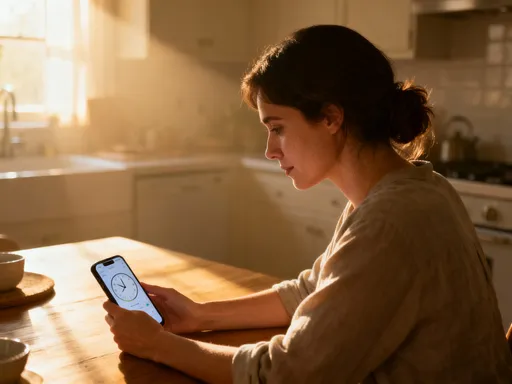
We’ve all been there—standing in front of the fridge, unsure what to eat, feeling overwhelmed by conflicting diet advice online. I used to stress over every meal, until I discovered a few simple digital tools that quietly changed everything. They didn’t just track calories—they understood my life. Now, mealtime feels lighter, choices come easier, and I actually enjoy eating well. This isn’t about perfection. It’s about support that fits your real world. And if you’ve ever felt like healthy eating is just one more thing you’re failing at, I want you to know: it’s not you. It’s the tools you’ve been given—or haven’t been given—until now.
The Overwhelm of Eating Right in a Busy World
Let’s be honest—eating well isn’t the problem. Staying consistent is. You start Monday with a green smoothie and big intentions, but by Wednesday, you’re scarfing crackers in the car after soccer practice, wondering how it all fell apart again. I’ve been there, more times than I can count. The truth is, we’re not failing because we lack willpower. We’re overwhelmed because we’re trying to make thoughtful food choices in a life that rarely slows down. Mornings are rushed, afternoons are chaotic, and by dinner, the only thing we’re measuring is how fast we can get something on the table.
And it’s not just time. It’s the noise. Open any social media feed and you’ll see someone swearing by keto, another praising intermittent fasting, and yet another telling you to go plant-based. No wonder we feel confused. On top of that, there’s the emotional side—eating when we’re tired, stressed, or just lonely. Food isn’t just fuel; it’s comfort, tradition, and sometimes, escape. So when a diet plan tells you to cut out your favorite bread or never snack after 7 PM, it’s not just asking you to change your plate. It’s asking you to change your relationship with comfort, memory, and routine. No wonder most of us give up.
Traditional dieting fails not because it’s wrong, but because it’s too rigid. It doesn’t account for the surprise work call during dinner prep, the kid who only eats beige foods, or the fact that you’re emotionally drained after a long week. What we really need isn’t another set of rules. We need support that moves with us, adapts to us, and understands that health isn’t a destination—it’s part of a messy, beautiful life. And that’s where technology, when done right, can finally step in—not as a drill sergeant, but as a quiet ally.
How Online Fitness Courses Quietly Teach Better Eating
Here’s something I didn’t expect: I started taking an online yoga course to stretch more and ease my back pain, but what I got was a whole new mindset about food. At first, it was small things—a gentle reminder at the end of class to drink water, or a note in the weekly email about how protein helps muscle recovery. Nothing preachy. Nothing shaming. Just simple, practical insights tucked into a routine I already enjoyed. But over time, those little comments started to shift how I thought about what I ate.
That’s the quiet power of today’s online fitness programs. They’re not just about reps and routines anymore. The best ones weave in nutrition wisdom in a way that feels natural, not forced. One week, my instructor talked about how deep breathing helps digestion. The next, a quick video explained why complex carbs keep energy steady through the afternoon. I wasn’t being lectured. I was being invited to notice—how I felt after certain meals, when my energy dipped, what foods made me feel heavy or light. And because I trusted the source—someone I saw regularly, who cared about my progress—it didn’t feel like diet advice. It felt like care.
What makes this so effective is consistency. Unlike a viral TikTok trend or a magazine article you read once, these courses show up week after week. They build awareness slowly, through repetition and real-life context. You start to connect the dots: Oh, that’s why I felt sluggish after lunch—my meal was all refined carbs. Or: No wonder I woke up hungry—my dinner didn’t have enough protein. The tech doesn’t force change. It creates space for you to notice, reflect, and choose differently—on your own terms. And that kind of learning? That sticks.
Diet Management Tools That Feel Like a Friend, Not a Judge
Remember those old diet apps? The ones that made you log every bite, then slapped you with a red warning if you went over your calorie limit? I used one for two weeks and ended up feeling worse about myself than when I started. It wasn’t helpful—it was hostile. But the new generation of diet management tools is different. They don’t track you like a guard. They walk beside you like a friend.
Take the app I’ve been using for the past eight months. Instead of just counting calories, it learns my patterns. It knows I usually cook on Sundays, so it sends me a gentle nudge Saturday night: “Ready to plan tomorrow’s meals?” It notices I often snack around 3 PM and asks, “Did you have enough protein at lunch?” Not in a scolding way—in a “Hey, I’ve got your back” kind of way. One of my favorite features? It celebrates small wins. After I logged five days of drinking enough water, it sent a little animation of confetti with the message: “Hydration hero! How do you feel?”
That kind of positive reinforcement changes everything. It builds confidence instead of guilt. And because the app adapts to my life—my schedule, my preferences, even my grocery budget—it doesn’t feel like I’m fitting myself into a rigid system. It feels like the system is fitting me. There’s no shame when I eat pizza on Friday night. The app doesn’t punish me. It just asks, “How did that feel?” and sometimes that simple question is enough to help me make a different choice next time. Emotional safety matters. When a tool respects your humanity, you’re more likely to keep showing up.
Decision Support That Understands Your Why
One of the most powerful features in modern health apps isn’t about food at all. It’s a simple prompt that appears every Sunday: “What matters most to you this week?” I can choose from options like “More energy,” “Better sleep,” “Feel strong for my hike with the kids,” or “Just feel calmer.” Once I pick, the app tailors its suggestions all week long. If I choose “more energy,” it highlights meals with balanced carbs and protein. If I pick “calmer,” it reminds me to limit caffeine and adds a magnesium-rich dinner idea.
This small feature changed how I relate to food. Instead of thinking, “What should I eat?” I started asking, “What do I need?” And that shift—from external rules to internal purpose—is everything. When your meals are connected to what truly matters to you, healthy eating stops feeling like deprivation and starts feeling like self-care. I’m not avoiding sugar because a diet says so. I’m choosing less of it because I want to feel clear-headed when I help my daughter with her science project. That’s motivation that lasts.
These tools don’t assume they know your goals. They ask. They listen. And then they support. Some apps even let you record a voice note about your intention—like “I want to feel strong enough to play with my grandson without getting winded.” Hearing your own voice say that? It’s powerful. It turns abstract health goals into something real, emotional, and deeply personal. And when technology honors that, it doesn’t just guide your choices—it strengthens your sense of self.
Making It Work: Small Tech Habits That Stick
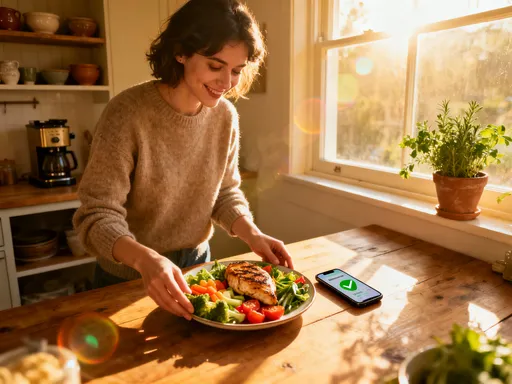
You don’t need to use every feature of an app to see results. In fact, trying to do it all at once is the fastest way to burn out. What works is finding one tiny habit that feels easy and doing it consistently. For me, it was taking a photo of my plate before eating. Not every meal. Just lunch. That small act made me pause and notice what I was about to eat. Was it colorful? Balanced? Did it include something I’d enjoy, not just something fast?
Over time, that one photo became a ritual. And because the app saved the images, I could look back and see patterns. I noticed I ate more vegetables on days I prepped them the night before. I saw that I reached for sweets when I skipped breakfast. None of this was judgment—just observation. And from observation, change naturally followed. I started chopping peppers while making dinner for the family, so I’d have them for my lunch the next day. Small win. Big impact.
Other simple habits that helped: setting a weekly meal intention every Sunday night—just one sentence like “This week, I want to cook three new healthy recipes.” Or syncing my food app with my fitness tracker so I could see how my energy levels matched my meals. The key is low effort, high consistency. You’re not aiming for perfection. You’re building awareness. And the more you notice, the more empowered you feel. Think of it like training a muscle. You don’t start with heavy weights. You start with something you can do every day. That’s how real change grows.
When Tech Meets Real Life: Family, Budgets, and Leftovers
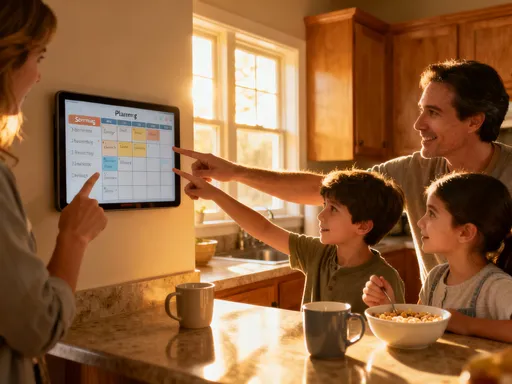
No app exists in a perfect bubble. Real life has picky eaters, tight budgets, and last night’s lasagna that nobody wants to throw away. The best tools don’t ignore that—they work with it. One of my favorite features in my current app is the “Family Mode,” which lets me toggle between my goals and my family’s meals. I can log a dish I made for dinner—say, baked chicken with sweet potatoes—and the app shows me how it fits my nutrition plan, while also letting me note that the kids ate it with ketchup. No guilt. No failure. Just reality.
Budget is another big one. I used to think eating healthy meant spending more, but the app’s “Budget-Friendly Swap” feature changed that. It suggests lower-cost alternatives—like using frozen broccoli instead of fresh, or choosing eggs over salmon for a protein boost. It even tracks sales at local stores and reminds me when my favorite Greek yogurt is on discount. That kind of practical support makes healthy eating feel possible, not privileged.
And then there are leftovers. How many times have you made a big batch of soup, only to forget it’s in the back of the fridge? The app lets me log leftovers with a photo and a reminder: “Don’t forget the lentil stew!” It even suggests ways to repurpose them—turn that roasted chicken into a salad or stir-fry. This isn’t about rigid meal planning. It’s about flexibility, kindness, and making the most of what you already have. The tech doesn’t control my kitchen. It helps me manage it—with less stress and more joy.
A Lighter Relationship with Food—And Yourself
After nearly a year of using these tools, the biggest change isn’t on the scale. It’s in how I feel. I don’t dread mealtime anymore. I don’t beat myself up for eating cake at a birthday party. I’m more aware, more intentional, and honestly—more at peace. The constant background noise of guilt and confusion has quieted. Instead, there’s a gentle curiosity: How did that meal make me feel? What do I need today?
That shift didn’t happen because of a diet. It happened because I finally had support that respected my life. The online fitness course that taught me gently. The app that celebrated my wins. The prompts that helped me remember my why. Together, they didn’t just change what I eat—they changed how I see myself. I’m not perfect. I still have days when I eat mindlessly or choose convenience over nutrition. But now, I respond with kindness, not criticism. I ask, “What’s going on?” instead of “What’s wrong with me?”
And that, more than anything, is the gift these tools have given me—a softer, wiser, more compassionate relationship with food and with myself. If you’ve ever felt like healthy eating is just one more thing you can’t get right, I want to invite you to try something small. Pick one tool. Try one habit. Take one photo. Answer one “why” question. You don’t have to do it all. You just have to begin. Because real change isn’t about willpower. It’s about support. And now, finally, that support fits in your pocket, your kitchen, and your life.