Tired of One-Size-Fits-All Alarms That Don’t Fit Your Home? Here’s How Smart Security Adapts to Your Life
You know that uneasy feeling when you leave the house—did you lock the door? Is the back window really secure? For so many of us, traditional alarms are either too noisy, too rigid, or just don’t understand how real homes actually work. They scream over a pet walking by or fail when you need them most. But what if your security system could learn your routine, adjust to your space, and protect your family without the stress? Imagine a system that knows when your teenager gets home from school, when the dog trots through the hallway, or when a late-night snack run is totally normal. That’s not science fiction—it’s smart security, and it’s changing how families feel safe at home.
The Problem with Traditional Alarms: When Security Feels Like a Burden
Let’s be honest—most of us have had that moment. You’re halfway to work, and suddenly it hits: Did I arm the alarm? Or worse, you get a call from the monitoring service because the system went off while your kids were doing homework and opened a window for fresh air. Traditional alarm systems were designed with one idea in mind: detect movement and sound the alarm. But life at home isn’t that simple. Homes are full of motion—pets, children, even the way curtains flutter in a breeze. And yet, most older systems treat every motion the same. That’s why so many families end up frustrated, disabling their alarms out of sheer annoyance.
I remember talking to my neighbor, Lisa, who had her alarm go off three times in one week—each time because her golden retriever jumped on the couch. She finally unplugged the motion sensor. "It’s not protecting me," she said, "it’s just making me jump out of my skin every time Max moves." That’s the irony—systems meant to bring peace of mind end up causing stress. And when stress wins, safety loses. People stop using the system. Doors go unmonitored. Windows are left unchecked. The very thing meant to protect the home becomes a source of daily irritation. That’s not security. That’s noise.
The real problem? These systems assume every household runs like a clock—predictable, silent, and still when it’s supposed to be. But real homes don’t work that way. Kids come home at different times. Pets have their own schedules. You might open the kitchen window every evening to let in cool air. A rigid system doesn’t account for that. It doesn’t learn. It doesn’t adapt. It just reacts—and often, it reacts wrong. That’s why so many of us feel like we have to change our lives to fit the alarm, instead of the other way around. And that shouldn’t be the case. Security should fit your life, not control it.
What Is Environment Adaptation in Security Systems? (And Why It Matters)
Now, imagine a different kind of alarm—one that doesn’t just detect motion but understands it. That’s the heart of environment adaptation in modern smart security. These systems don’t just have sensors; they have smarts. They use technology like motion pattern recognition, time-based learning, and even environmental awareness to figure out what’s normal in your home and what’s not. Think of it like a good neighbor who’s been around long enough to know your habits—when you’re usually up, when the kids come home, when the dog barks at the mailman.
Instead of treating every movement as a threat, adaptive systems learn over time. If your daughter walks through the living room at 7:15 p.m. every day to grab a snack, the system notes that. It doesn’t alert you. But if someone opens the basement window at 2 a.m.? That’s unusual. That’s when you get a notification. This kind of intelligence means fewer false alarms and faster response to real risks. It’s not about flooding you with alerts—it’s about giving you the right information at the right time.
And here’s what really matters: this isn’t just about convenience. It’s about trust. When your system understands your life, you stop second-guessing it. You don’t have to wonder if the alert is important or just the cat knocking over a pillow. You know. That kind of confidence changes how you feel in your home. You’re not on edge. You’re not jumping every time your phone dings. You’re calm, because you know the system has your back—and it knows the difference between routine and risk.
Plus, adaptive systems can adjust sensitivity based on time of day or activity. For example, during the day when the house is active, it might ignore small movements. But at night, when everyone’s asleep, it becomes more alert. Some even use sound analysis to tell the difference between breaking glass and a falling book. That’s not magic—it’s machine learning working quietly in the background, making your home smarter and safer without you having to do a thing.
How Smart Alarms Learn Your Home’s Unique Rhythm
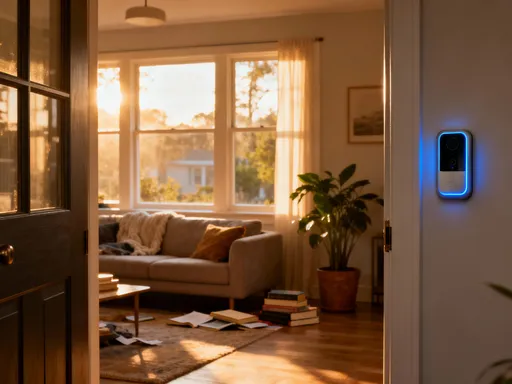
So how does this learning actually happen? It starts with data—but not the scary kind. Smart alarms use a network of sensors placed on doors, windows, and key rooms to observe patterns over time. These sensors track when doors open, when motion is detected, and even when lights turn on or off. After a few days or a week, the system begins to build a picture of your household’s rhythm. It sees that the front door opens at 8:05 a.m. every weekday—that’s you leaving for work. It notices the back door at 3:30 p.m.—that’s the kids coming home from school.
Some systems go even further by connecting to other smart devices in your home. If you have a smart thermostat, it might notice when the temperature drops and the heater kicks on—usually around 6 p.m. If you use a voice assistant, the system might learn that you often turn on the kitchen light at 7 p.m. while cooking dinner. All of this information helps the alarm understand what “normal” looks like for your family. And once it knows normal, it can spot what’s not.
The beauty of this is that it’s not one-size-fits-all. Every home has its own flow. In my friend Maria’s house, the dog barks every time the delivery person comes, so the system learns to expect that sound on certain days. In another home, the elderly parents go to bed early, so any late-night movement triggers a gentle check-in call from the monitoring service. The system doesn’t just react—it anticipates. It becomes part of the family’s daily life, not a separate, jarring piece of tech.
And the best part? You don’t have to program it all manually. Most systems have a “learning mode” that runs for a week or so. During this time, it watches, listens, and learns—no alerts, no stress. After that, it starts working with you, sending notifications only when something stands out. It’s like having a quiet guardian that gets to know your home from the inside out.
Real-Life Scenarios: From Busy Families to Empty Nesters
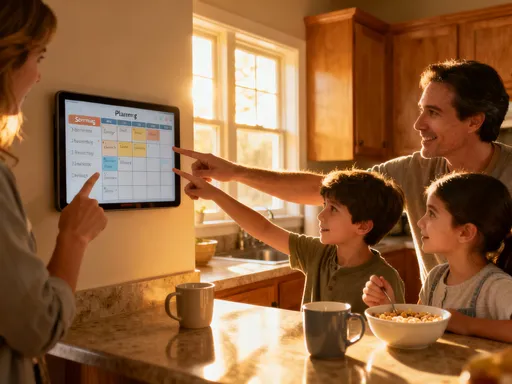
Let’s talk about real homes, real lives. Take the Thompsons—a family of five with two kids, a dog, and a schedule that changes weekly. Soccer practice, piano lessons, sleepovers—it’s chaos, and a traditional alarm would be going off constantly. But their smart system knows the dog’s feeding time, when the kids usually come home, and even when the babysitter arrives on Friday nights. It ignores the usual movements but alerts them if the garage door opens unexpectedly. That means peace of mind without the panic.
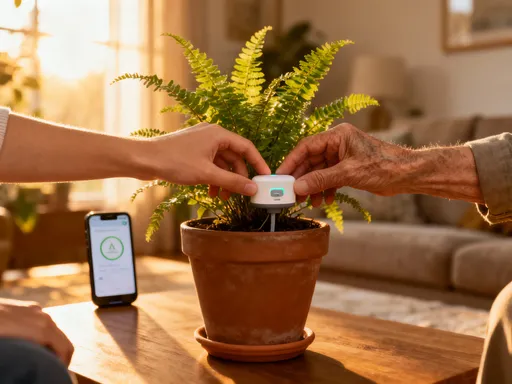
Now, think about someone like Susan, a retired teacher living alone since her husband passed. She doesn’t need loud alarms or constant monitoring—but she does want to feel safe. Her system notices when she hasn’t moved for several hours during the day and sends a quiet wellness alert to her daughter. It’s not about fear; it’s about care. The system adapts to her quieter routine, checking in gently when something seems off. For her, it’s not just security—it’s connection.
Then there’s seasonal changes. In the winter, windows stay closed. In the summer, they’re open for ventilation. A smart system can adjust its sensitivity based on the season. If a window is opened in July during the day, it might not alert—fresh air is expected. But if it opens at night? That’s different. The system knows the context. It even adjusts for vacations. When the family is away, it switches to high-alert mode, monitoring every door and window. When they return, it slips back into normal rhythm. It’s security that breathes with your life, not fights against it.
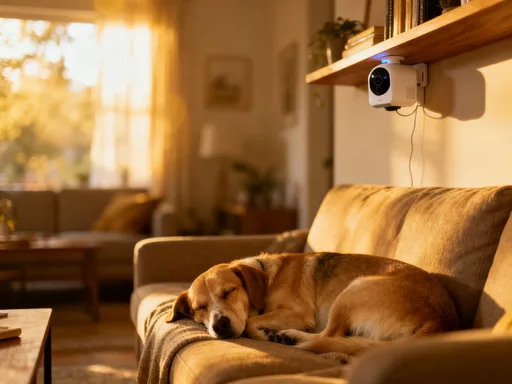
And let’s not forget pets. So many families give up on motion sensors because their cat or dog sets them off. But modern systems can be trained to ignore pets under a certain weight or height. Some use camera-based detection to tell the difference between a person and a pet. That means you don’t have to choose between protecting your home and letting your dog nap on the couch. You can have both.
Setting Up Your System: Simple Steps to Get Started
Now, I know what you might be thinking: "This sounds great, but is it hard to set up?" The good news? Most smart security systems are designed for people like us—busy, not tech experts, just looking for a little more peace of mind. The setup is usually guided through a simple app on your phone. You start by placing sensors on doors and windows—most are adhesive, so no drilling required. Then, you connect the main hub to your Wi-Fi.
The next step is the most important: let the system learn. Most have a “learning mode” that lasts about a week. During this time, the system observes your routines without sending alerts. It sees when you come and go, when the kids get home, when the dog moves through the house. This is when the magic happens—when it starts to understand your life. Don’t skip this step. Rushing it means the system won’t know what’s normal, and you’ll still get false alerts.
After the learning period, you can fine-tune the settings. Mark which movements are pets, set family schedules, and choose how you want to be notified—text, call, or app alert. You can even set “safe zones” for certain areas, like the living room during the day. The key is to be patient. Let the system get to know your home, just like you’d let a new neighbor get to know the neighborhood. The more it learns, the better it protects.
And if you’re not sure where to start, many companies offer free setup guides or even video support. You don’t have to do it alone. Think of it like setting up a new coffee maker—there’s a learning curve, but once it’s done, it makes your life easier every single day.
Integrating with Other Smart Home Devices for Full Protection
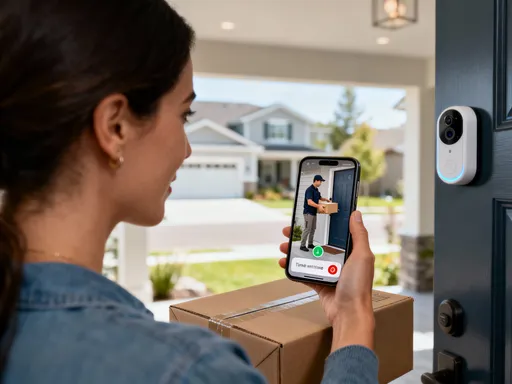
Here’s where smart security gets even smarter: when it works with the rest of your smart home. Imagine this—you’re at the grocery store, and your alarm detects unusual motion. Instead of just sending an alert, it turns on the living room lights, making it look like someone’s home. It locks the front door automatically. It starts recording video from your indoor camera and sends a 10-second clip to your phone. You watch, see it’s just the cleaning service, and breathe easy. All of this happens in seconds, without you lifting a finger.
That’s the power of integration. When your alarm connects to smart locks, lights, cameras, and voice assistants, it doesn’t just tell you about a problem—it helps stop it. Some systems can even call emergency services if you don’t respond to an alert and no one disarms the system. That’s huge for families with elderly parents or for anyone who wants that extra layer of protection.
And because everything syncs through one app, you’re not juggling five different screens. You can check your door locks, view camera footage, and arm the alarm—all from your phone, whether you’re in the next room or across the country. That kind of control is empowering. It means you’re never out of the loop. You’re always connected to your home, no matter where life takes you.
Plus, these systems can create routines. For example, when you arm the alarm at night, it can automatically turn off the lights, adjust the thermostat, and close the smart blinds. In the morning, disarming it can turn on the coffee maker and open the news. It’s not just security—it’s a smarter way to live.
Peace of Mind That Grows With Your Life
At the end of the day, the best security system isn’t the one with the loudest siren or the most sensors. It’s the one that fits so naturally into your life that you almost forget it’s there—until you need it. That’s what adaptive smart security offers: protection that’s quiet, intelligent, and deeply personal. It doesn’t demand that you change your routine. It changes with you.
As your kids grow up and move out, it adjusts. As your schedule shifts, it learns. As your home evolves, it grows right alongside it. And that’s the real gift—freedom. Freedom from worry. Freedom from false alarms. Freedom to live your life fully, knowing your home is looking out for you.
I’ll never forget the day my friend Jen told me, "For the first time in years, I don’t dread leaving the house." She used to double-check the locks three times. Now, her system confirms everything is secure with a simple message. She trusts it. And that trust? That’s what true peace of mind feels like. It’s not about fear. It’s about feeling safe, supported, and in control.
Smart security isn’t about replacing human awareness. It’s about enhancing it. It’s about giving you the tools to protect what matters most—your family, your home, your peace—without adding stress. It’s technology that doesn’t just work for you, but with you. And in a world that feels more uncertain every day, that’s something every one of us deserves.