Lost in the Clouds: My Dolomite District Diaries
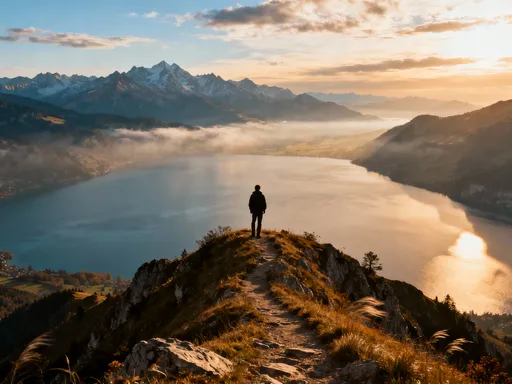
Nestled in northern Italy, the Dolomites aren’t just mountains—they’re entire worlds divided into distinct, breathtaking districts. Each valley tells a different story, from alpine charm to dramatic cliffs and cozy village life. I’ve wandered these parts more than once, and every visit feels like stepping into a living postcard. The way the morning light gilds the jagged peaks, how the air smells of pine and warm bread in the villages, the quiet that settles over the meadows by dusk—these are the moments that stay with you. This isn’t just a travel guide—it’s a real journey through the heart of what makes the Dolomites unforgettable. Let’s explore them, one district at a time.
Why the Dolomites Are More Than Just Peaks
The Dolomites, a UNESCO World Heritage site since 2009, are celebrated not only for their dramatic limestone spires and sheer vertical walls but also for the rich cultural tapestry woven across their valleys. Spanning across the Italian provinces of South Tyrol, Trentino, and Belluno, this mountain range is a geological wonder shaped over millions of years by tectonic forces and glacial erosion. The pale, almost luminous rock—dolomite, named after the French geologist Déodat de Dolomieu—gives the range its signature glow at sunrise and sunset, known locally as the enrosadira. But beyond the postcard-perfect vistas lies a region of remarkable diversity, where language, tradition, and landscape shift from valley to valley.
What sets the Dolomites apart from other alpine destinations is their compartmentalized beauty. Unlike mountain ranges that offer a uniform experience, the Dolomites are best understood as a collection of distinct districts, each with its own rhythm and character. In one valley, you might hear German spoken in village squares; in another, the ancient Ladin language echoes in church bells and family names. One district may be known for its high-altitude via ferratas, while another offers gentle meadow walks and farm-to-table dining. This fragmentation is not a flaw—it’s the essence of the region’s magic. To experience the Dolomites fully is to move slowly, to settle into one district at a time, and to let each place reveal its own story.
The cultural blend here is the result of a complex history. Once part of the Austro-Hungarian Empire, South Tyrol was annexed by Italy after World War I, leaving behind a unique fusion of Austrian efficiency, Italian warmth, and Ladin resilience. Today, road signs appear in three languages, menus feature both speck and prosciutto, and architecture mixes chalet-style wooden balconies with Mediterranean tile roofs. This coexistence is not performative—it’s lived. Locals move seamlessly between cultures, and visitors who take the time to notice are rewarded with a deeper understanding of the region’s soul. The Dolomites, then, are not just a destination for hikers or photographers; they are a living museum of alpine life, where nature and culture rise together like the peaks themselves.
South Tyrol: Where Alpine Meets Mediterranean
In the northern reaches of the Dolomites, South Tyrol emerges as a land of contrasts—where snow-capped peaks overlook sun-drenched apple orchards, and Germanic traditions blend with Italian joie de vivre. Bolzano, the provincial capital, serves as a gateway to this unique region, offering a blend of modern amenities and historic charm. The city’s medieval center, with its cobblestone lanes and Gothic cathedral, feels centuries old, yet it hums with contemporary energy. The South Tyrol Museum of Archaeology, home to the 5,300-year-old Ötzi the Iceman, anchors the region’s deep connection to the past, while farmers’ markets brim with fresh cheeses, smoked meats, and locally pressed apple juice.
Just beyond the city, Val Gardena unfolds like a storybook valley, cradled between towering cliffs and dotted with villages where woodcarving has been a family trade for generations. Ortisei, Selva, and Santa Cristina are linked by efficient cable cars and scenic footpaths, making them ideal for both winter skiing and summer hiking. The SS241, a winding mountain road that connects these towns, offers some of the most cinematic drives in the Alps. Along the way, pull-offs invite spontaneous stops for photos of sheer rock faces bathed in golden light or panoramic views of the Sella Group, a massive limestone plateau that draws climbers from around the world.
One of the most authentic ways to experience South Tyrol is by staying in a family-run guesthouse, or gästehaus, where hospitality is personal and meals are made with ingredients from the garden. Breakfasts often include homemade jams, fresh yogurt, and speck—a lightly smoked ham that pairs perfectly with local bread. In the evening, trattorias serve dishes like Schlutzkrapfen, a type of ravioli filled with spinach and ricotta, and canederli, savory bread dumplings simmered in broth. And no visit is complete without tasting apple strudel, best enjoyed warm in a sunlit piazza with a cappuccino. The region’s apple orchards, stretching across the Adige Valley, produce over 90 percent of Italy’s apples, a testament to the rare microclimate that allows alpine and Mediterranean influences to thrive side by side.
Cortina d’Ampezzo: The Queen of the Dolomites
If the Dolomites have a crown jewel, it is Cortina d’Ampezzo. Nestled in the heart of the Ampezzo Valley, this elegant town has long been a favorite among European aristocracy, celebrities, and discerning travelers. First gaining international fame as the host of the 1956 Winter Olympics, Cortina retains an air of refined glamour without sacrificing authenticity. Its wide avenues, designer boutiques, and alpine-chic hotels exude sophistication, yet the town never feels pretentious. Locals still greet each other by name, and the pace of life slows in the late afternoon, when residents gather for an aperitivo on sun-drenched terraces.
What truly sets Cortina apart is its unparalleled access to some of the most iconic landscapes in the Dolomites. The Tofane massif, with its dramatic north face, looms over the town, offering world-class skiing in winter and exhilarating via ferratas in summer. The Cinque Torri, a cluster of limestone towers rising from a high plateau, is just a short bus ride away and serves as a starting point for hikes that lead to the legendary Lagazuoi tunnels—World War I fortifications carved into the mountain. The Faloria cable car whisks visitors to panoramic viewpoints in minutes, while the Cristallo range provides a serene backdrop for morning jogs and evening strolls.
For those seeking a balance between luxury and adventure, Cortina delivers. Boutique hotels like the Cristallo or the Ambra offer spa treatments, fine dining, and guided excursions, while family-run lodges provide cozy accommodations with mountain views. The key to enjoying Cortina without feeling overwhelmed by crowds is timing. July and August bring hikers and families, while December to March attract skiers. For a quieter experience, consider visiting in late June or early September, when the weather is mild, the trails are less crowded, and the light is soft and golden. Booking accommodations in advance is essential, especially during peak seasons, but even a short stay in Cortina leaves a lasting impression—one of elegance rooted in nature, and beauty that feels both grand and intimate.
The Hidden Valleys: San Candido and the Tre Cime Circuit
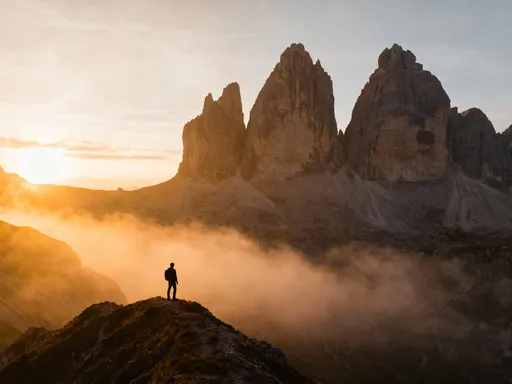
While Cortina dazzles, the quieter valleys of the eastern Dolomites offer a different kind of magic—one defined by solitude, raw beauty, and a deep sense of peace. San Candido, a small town near the Austrian border, is the perfect base for exploring the Tre Cime di Lavaredo, perhaps the most photographed mountain group in the entire range. Unlike the bustling centers, San Candido moves at a gentler pace. Its cobbled main street is lined with family-owned cafes, artisan shops, and a 12th-century church whose bell tower stands slightly askew, a charming imperfection that reflects the town’s character.
The Tre Cime circuit, a 10-kilometer loop trail, is a must for any serious visitor. Starting from the parking area near Rifugio Auronzo, the path winds through alpine meadows, past glacial lakes, and along ridgelines that offer ever-changing views of the three towering peaks. The best time to begin is at dawn, when the first light hits the cliffs and turns them a fiery red—a sight so powerful it draws photographers from around the world. To avoid the crowds, arrive early or take the longer route via Rifugio Locatelli, which starts from the opposite side and offers fewer people and equally stunning vistas.
Sustainable travel is especially important in this fragile ecosystem. The Dolomites are a protected area, and visitors are encouraged to stay on marked trails, carry out all waste, and respect wildlife. Eco-friendly accommodations are increasingly common, from solar-powered rifugi to guesthouses that source food locally and limit water use. Some rifugi, like Rifugio Lavaredo, now operate on renewable energy and offer plant-based meal options, reflecting a growing awareness of environmental responsibility. By choosing low-impact transportation—such as the regional bus from San Candido—and supporting local businesses, travelers can help preserve the region’s natural beauty for future generations. In these hidden valleys, the mountains don’t just inspire awe—they invite reverence.
Val di Fassa: Heart of Ladin Culture
Deep in the central Dolomites, Val di Fassa stands as a stronghold of Ladin identity. The Ladin people, descendants of Romanized Rhaetian tribes, have preserved their language, customs, and crafts for over a thousand years. Today, Ladin is still spoken in homes, schools, and town halls, and road signs appear in Italian, German, and Ladin—a rare trilingual testament to cultural resilience. Towns like Canazei, Campitello, and Moena are not just picturesque—they are living expressions of a unique heritage.
Visitors to Val di Fassa are welcomed with warmth and pride. In summer, the valley comes alive with festivals celebrating Ladin music, dance, and food. The Festa de l’Aqua in June honors the region’s water sources with parades and traditional songs, while the Mercatì de San Nicul in December transforms Moena into a Christmas village with handcrafted ornaments, mulled wine, and live choirs. Local cuisine reflects the alpine environment: polenta made from stone-ground corn, canederli simmered in rich broth, and formaggio di malga, a smoky mountain cheese aged in wooden huts. Many restaurants offer tasting menus that pair these dishes with regional wines or herbal liqueurs like grappa alla genziana.
Craftsmanship is another hallmark of Ladin culture. Woodcarving, practiced here for centuries, produces intricate religious figures, household items, and decorative panels. Workshops in Campitello allow visitors to watch artisans at work, and some even offer short classes. For families, the valley offers gentle adventures: summer sled runs at Ciampac, cable car rides to panoramic viewpoints, and guided nature walks that teach children about local plants and animals. Schools of Ladin language and culture welcome curious travelers, offering basic phrases like “bon dia” (good day) and “grazie” (thank you)—small gestures that open doors to deeper connection. In Val di Fassa, tourism is not just an industry; it is a way of sharing a way of life.
Practical Magic: Getting Around and Choosing Your Base
Navigating the Dolomites requires a blend of planning and flexibility. While the region is well-connected, its mountainous terrain means that travel times can be longer than expected. The most convenient way to explore multiple districts is by rental car, which offers the freedom to visit remote rifugi, hidden valleys, and scenic drives like the Great Dolomites Road (SS48) and the Sella Pass loop. However, driving in high mountain areas demands caution—narrow roads, sharp turns, and seasonal closures are common. Winter travelers should ensure their vehicle is equipped with snow tires or chains, and all drivers should check local road conditions before setting out.
For those who prefer not to drive, the public transportation system in the Dolomites is surprisingly efficient. Regional buses connect major towns and trailheads, often running every hour during peak season. In South Tyrol, the Mobilcard offers unlimited travel on buses, trains, and cable cars for a set number of days, making it a cost-effective option. Many popular hiking destinations, including the Tre Cime and Seceda in Val Gardena, are accessible by bus, and park-and-ride options help reduce congestion in crowded areas. Cable cars and funiculars further extend access to high-altitude trails, allowing hikers to save energy for the most scenic sections.
Choosing a base depends on your travel style. For culture and convenience, Bolzano or Brixen offer urban comforts with easy access to both northern and central valleys. For alpine charm and outdoor access, consider staying in Ortisei, Canazei, or Cortina. Families may prefer Val di Fassa for its gentle trails and child-friendly amenities, while adventurers might opt for smaller villages like San Candido or Dobbiaco to be closer to trailheads. Booking accommodations months in advance is wise, especially for summer and ski seasons. Whether you choose a luxury hotel, a family-run guesthouse, or a mountain rifugio, the key is to pick a location that aligns with your rhythm—slow, immersive, and close to nature.
How to Experience the Dolomites Like a Local
There is a quiet art to traveling deeply in the Dolomites—one that goes beyond ticking off landmarks or capturing perfect photos. To experience these mountains like a local is to embrace slowness, curiosity, and respect. Begin your day with a ritual shared by hikers and residents alike: the dawn mountain toast. At rifugi like Lagazuoi or Fanes, guests gather at sunrise with a glass of sparkling wine or herbal tea, toasting the new day as the peaks ignite in alpenglow. It’s a small moment, but one filled with collective joy and reverence for the landscape.
Learning a few words in Ladin or German can open unexpected doors. A simple “grazie” or “danke” offered at a market stall or hotel desk often sparks a smile—and sometimes a conversation. Attending a village sagra, or food festival, is another way to connect. These gatherings are not staged for tourists; they are community events where generations come together to celebrate harvests, saints, and seasons. Sharing a plate of gnocchi with locals, listening to folk music, and dancing under strings of lights—these are the moments that transform a trip into a memory.
Mindful photography is also part of the local ethos. While the Dolomites are undeniably photogenic, the best images often come from stillness rather than chasing the perfect shot. Sit by a mountain lake at dusk, watch the light fade on the cliffs, and let the silence speak. Respect for nature is deeply ingrained—locals don’t litter, stray from trails, or disturb wildlife. They know these mountains are not just a backdrop, but a home. By following their example—by traveling lightly, listening closely, and giving back where possible—visitors honor the spirit of the Dolomites in the most meaningful way.
Conclusion: Why These Mountains Stay With You
The Dolomites do not simply impress—they transform. Long after the tan fades and the hiking boots are stored away, the memory of these mountains lingers: the crispness of the morning air, the sound of cowbells drifting across meadows, the way the light shifts on the cliffs throughout the day. Each district offers a different facet of this alpine mosaic—South Tyrol’s cultural blend, Cortina’s elegance, Val di Fassa’s living traditions, and the quiet majesty of the hidden valleys. Together, they form a travel experience that is as rich in soul as it is in scenery.
What makes the Dolomites unforgettable is not just their beauty, but their authenticity. This is a region where nature and culture are not separate, but intertwined. Where a meal is more than sustenance—it’s a story. Where a hike is not just exercise—it’s a pilgrimage. And where every village, every trail, every sunrise feels like a gift. To travel here is to be reminded of the power of place, and the quiet joy of moving slowly through a world that demands nothing but presence.
So go. Explore one district at a time. Let the mountains speak. And when you return home, you’ll find that a part of you never really left. The Dolomites stay with you—not as a memory, but as a feeling: of wonder, of peace, of belonging. And perhaps, that is the greatest journey of all.