Skyline Dreams and Concrete Beaches: What Gold Coast’s Architecture Really Tells Us
Ever wondered how a city by the sea can feel both futuristic and laid-back at the same time? I didn’t either—until I walked the Gold Coast. What I thought was just endless high-rises hiding beaches turned out to be a fascinating mix of design eras, cultural influences, and bold urban choices. From retro beach shacks to soaring glass towers, the architecture here doesn’t just house people—it tells the story of a city constantly reinventing itself. This coastal metropolis, stretching along 70 kilometers of Queensland coastline, is more than a holiday postcard. It’s a living narrative of ambition, climate adaptation, and lifestyle evolution, written in steel, glass, and sand.
First Impressions: The Skyline That Greets You
Approaching the Gold Coast by air or highway, the first thing that captures attention is the skyline—a vertical forest rising from a ribbon of golden sand and turquoise water. Unlike other Australian cities where high-rises cluster in central business districts, here they stretch for miles along the coastline, forming a continuous urban edge. This uninterrupted line of towers, shimmering under the subtropical sun, creates a visual signature unlike any other in the country. Over 80 percent of Australia’s high-rise residential buildings are located on the Gold Coast, a staggering concentration that reflects decades of coastal urbanization driven by tourism, lifestyle appeal, and population growth.
The dominance of high-density living along the beachfront is not accidental. It is the result of a unique convergence: abundant coastline, favorable climate, and a culture that values ocean access above all. The skyline, with its mix of slender towers and wide terraced blocks, speaks to a city designed around the idea of view optimization. Every apartment, it seems, is angled to capture a sliver of blue—whether it’s a glimpse of the Pacific or the glitter of the surf from a distance. This architectural prioritization of vista over street life has shaped not just the physical form of the city but also its identity as a place where living well means living with a view.
Yet this skyline is more than just a collection of tall buildings. It is a symbol of aspiration. For decades, the Gold Coast has drawn people seeking a relaxed yet modern lifestyle, and the high-rises have become physical manifestations of that dream. They offer a sense of elevation—both literal and metaphorical—above the everyday. At the same time, their sheer number raises questions about balance: how much vertical development can a beachside city sustain before it loses its connection to the very environment it celebrates? The answer lies not just in planning policies but in the evolving relationship between people, place, and design.
The Rise of the 'Gold Coast Look': Defining a Style
The Gold Coast does not have a single architectural style dictated by heritage or regulation. Instead, it has developed what many call the 'Gold Coast look'—a distinctive aesthetic born from developer-led innovation, climatic responsiveness, and market demand. This style is characterized by high-rise residential towers with expansive balconies, reflective glass facades, and resort-style amenities such as swimming pools, gyms, and sky lounges. While often criticized for lacking cohesion, this architectural language has evolved into a recognizable identity, shaped more by practicality than by formal design principles.
One of the defining features of this look is the emphasis on outdoor living. Balconies are not just add-ons; they are central to the design, often wrapping around corners or extending into private terraces. These spaces function as outdoor rooms, allowing residents to enjoy the subtropical climate year-round. The use of glass is equally strategic—maximizing natural light while providing unobstructed views of the ocean or hinterland. However, this design approach also presents challenges, particularly in terms of heat gain and energy efficiency, which have become increasingly important in recent years.
Another key influence on the Gold Coast’s architectural character is the absence of strict urban design controls during its early development phases. Unlike cities with long-established planning frameworks, the Gold Coast grew rapidly in the 1980s and 1990s with minimal oversight, allowing developers to experiment freely. This freedom led to a skyline that is eclectic rather than uniform, with each tower reflecting the priorities of its time—whether it was maximizing floor area, offering panoramic views, or standing out in a competitive market. The result is a cityscape that feels dynamic but sometimes disjointed, where individual buildings shine but the overall streetscape can lack continuity.
Despite these inconsistencies, the 'Gold Coast look' has gained international recognition. It represents a form of coastal urbanism that prioritizes lifestyle, accessibility, and visual impact. While it may not conform to traditional notions of architectural harmony, it reflects a different kind of order—one shaped by sun, sea, and the desire to live close to nature, even in a high-rise environment.
From Surf Shacks to Skyscrapers: A Timeline of Transformation
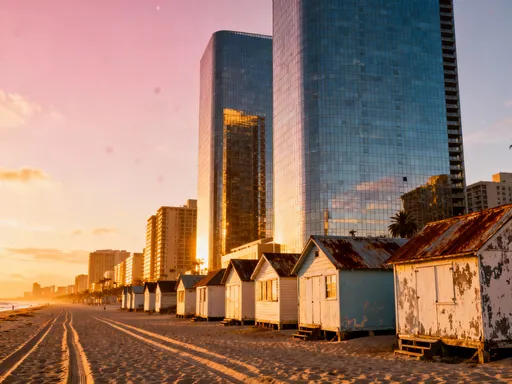
The architectural story of the Gold Coast begins not with glass towers but with humble timber beach shacks. In the 1950s and 1960s, the coastline was dotted with simple, single-story homes built by families and surfers seeking affordable access to the beach. These structures were functional, often raised on stilts to avoid flooding, with wide verandas that provided shade and outdoor living space. They embodied a relaxed, informal way of life that became central to the region’s identity.
The shift toward high-density development began in the 1970s and accelerated dramatically in the 1980s. As tourism boomed and land values rose, developers saw an opportunity to build vertically. The introduction of high-rise zoning along the coast allowed for taller buildings, and soon, the first wave of apartment towers began to reshape Surfers Paradise and other beachside suburbs. These early towers were modest by today’s standards—typically 15 to 20 stories—but they set a precedent for density that would define the city’s future.
The 1990s and 2000s marked a new era of architectural ambition. With increased investment and global interest, the Gold Coast began to attract larger developers and international design firms. Iconic buildings like Q1, completed in 2005, redefined what was possible. Standing at 322 meters with 78 floors, Q1 was not only the tallest residential tower in the Southern Hemisphere at the time but also a statement of confidence in the city’s future. Its sleek, needle-like form, inspired by the Gold Coast’s surf culture and the shape of a shark’s fin, became a symbol of modernity and aspiration.
Today, the skyline continues to evolve. New developments push higher, with buildings like Soleil and Infinity surpassing 80 stories. These towers offer luxury finishes, smart home technology, and private amenities such as sky gardens and resident-only lounges. The transformation from surf shacks to skyscrapers reflects broader societal changes—rising wealth, changing housing preferences, and the globalization of real estate markets. Yet traces of the past remain, both in preserved heritage buildings and in the enduring cultural value placed on beach access and outdoor living.
Urban Planning vs. Developer Vision: Who Really Designed This City?
The Gold Coast’s skyline is a testament to market-driven development. Unlike cities shaped by comprehensive master plans, this coastal metropolis has grown largely in response to private investment and consumer demand. While local government has implemented zoning regulations and height controls, the pace and form of development have been heavily influenced by developers seeking maximum returns. This has resulted in a city that is visually striking but sometimes inconsistent in terms of urban design quality.
One of the most visible consequences of this developer-led model is the lack of cohesive streetscapes. In areas like Surfers Paradise, the ground level is often dominated by retail outlets, convenience stores, and fast-food chains, with little attention paid to pedestrian comfort or shade. Wide sidewalks are interrupted by building setbacks and parking entries, creating a fragmented walking experience. While the upper floors offer breathtaking views, the street-level environment can feel unwelcoming, particularly during the hot summer months when shade is scarce.
At the same time, this model has produced vibrant, economically successful precincts. The density of high-rises supports a robust rental market, attracts tourists, and sustains a range of services and amenities. Many buildings include communal facilities such as pools, gyms, and function rooms, contributing to a resort-like lifestyle that appeals to both residents and visitors. The flexibility of the planning system has allowed for rapid adaptation to market trends, ensuring that new developments remain competitive and desirable.
Yet questions remain about long-term sustainability and liveability. Can a city continue to grow vertically without sacrificing walkability, community connection, or environmental resilience? Some planners argue for a more balanced approach—one that integrates private development with stronger public design standards. Initiatives such as improved streetscape guidelines, mandatory ground-floor activation, and enhanced public transport access are beginning to address these concerns. The challenge lies in preserving the dynamism that defines the Gold Coast while creating a more cohesive and people-friendly urban environment.
Sustainable Design in a Sun-Drenched City
As climate change intensifies, the Gold Coast faces growing pressure to adapt its built environment. With high temperatures, intense UV exposure, and the threat of coastal erosion, sustainable design is no longer optional—it is essential. In recent years, a new generation of buildings has begun to incorporate energy-efficient features, climate-responsive materials, and renewable technologies. These changes reflect a shift in priorities, from maximizing views and floor area to ensuring long-term environmental performance.
One of the most important strategies in sustainable design is passive cooling. Many newer buildings now feature improved insulation, cross-ventilation systems, and shaded balconies to reduce reliance on air conditioning. External louvres, vertical fins, and overhangs are used to block direct sunlight while allowing natural light to enter. These design elements not only lower energy consumption but also enhance indoor comfort, making homes more pleasant to live in throughout the year.
Solar energy integration is another growing trend. Rooftop photovoltaic panels are becoming standard in many developments, with some buildings designed to generate a significant portion of their own electricity. In addition, water-saving technologies such as rainwater harvesting, greywater recycling, and efficient irrigation systems are being incorporated into building designs. These measures help reduce the environmental footprint of high-density living, particularly in a region where water resources can be strained during dry periods.
A growing number of developments are also pursuing green building certifications such as Green Star or NABERS. These ratings evaluate a building’s environmental performance across energy, water, materials, and indoor air quality. Projects like the Greenhouse in Southport and the Sol Resort on the Broadbeach waterfront have achieved high scores by combining sustainable design with luxury living. Such examples demonstrate that eco-conscious architecture can be both practical and desirable, appealing to environmentally aware buyers without sacrificing comfort or aesthetics.
Hidden Layers: Cultural and Community Spaces in the Concrete
Beyond the high-rises and beachfront apartments, the Gold Coast has quietly invested in cultural and community infrastructure. These spaces—libraries, arts centers, public plazas—offer a counterpoint to the city’s commercial and residential dominance, providing places for gathering, learning, and creative expression. Unlike the private, inward-looking nature of many residential towers, these public buildings are designed to be open, accessible, and connected to their surroundings.
One of the most significant examples is the HOTA (Home of the Arts) precinct in Surfers Paradise. This multi-phase development includes a gallery, theater, outdoor stage, and public parklands along the Nerang River. The architecture emphasizes transparency and flow, with large glass facades, shaded walkways, and landscaped terraces that invite people in. The design fosters a sense of connection between art, nature, and the community, creating a vibrant cultural hub in the heart of the city.
Similarly, the Gold Coast City Gallery and the Nerang Library showcase thoughtful design that prioritizes human experience. These buildings incorporate natural materials, ample daylight, and outdoor seating areas, creating welcoming environments for visitors of all ages. Public plazas such as Cavill Avenue Mall and Bundall Park serve as informal gathering spots, hosting markets, performances, and community events. While they may not dominate the skyline, these spaces play a crucial role in shaping the city’s social fabric.
What makes these projects stand out is their focus on inclusivity and well-being. They are designed not just to look good but to function as places where people feel comfortable and connected. In a city often associated with tourism and luxury, these community-centered spaces remind us that architecture also has a social purpose—one that supports education, creativity, and everyday life.
The Future Skyline: What’s Next for Gold Coast’s Urban Canvas?
The Gold Coast’s architectural journey is far from over. With population growth expected to continue and land along the coast becoming increasingly scarce, the city is turning its attention to the next phase of development. Plans for even taller towers, mixed-use neighborhoods, and transit-oriented communities are already underway. These projects aim to increase density while improving connectivity, sustainability, and quality of life.
One of the most anticipated developments is the expansion of the light rail network, which is expected to spur new urban centers around transit hubs. These nodes will likely feature high-density housing, offices, retail, and public spaces, creating walkable, 15-minute neighborhoods where residents can live, work, and play without relying on cars. Such models represent a shift from the car-dependent sprawl of the past toward a more integrated and sustainable urban form.
At the same time, architects and planners are rethinking the relationship between buildings and the natural environment. New designs are exploring ways to integrate green spaces vertically—through sky gardens, green walls, and rooftop parks. There is also growing interest in adaptive reuse, where older buildings are retrofitted for new purposes rather than demolished. These approaches not only reduce environmental impact but also preserve the city’s evolving heritage.
The Gold Coast is no longer just a beach destination. It is becoming a laboratory for coastal urbanism—a place where the challenges of climate, density, and identity are being addressed through innovative design. Every building, from the smallest community library to the tallest tower, contributes to a larger story of adaptation, resilience, and aspiration. As the skyline continues to rise, it carries with it the dreams of those who live here—the hope for a future that is not only taller but also smarter, greener, and more connected to the sea that defines it.