You Gotta Experience These Milan Moments – A Real Traveler’s Story
Milan isn’t just fashion and trains—it’s espresso sipped like a local, hidden courtyards behind ancient doors, and the hush of a cathedral that took centuries to build. I went expecting runways and rush hours, but found soul-stirring art, authentic aperitivo culture, and streets pulsing with quiet history. This is a guide shaped by real moments, not checklists—where to wander, what to feel, and how to fall for Milan beyond the gloss. It’s a city that reveals itself slowly, rewarding those who pause long enough to notice the details: the glint of marble in morning light, the murmur of Italian in a backstreet bar, the warmth of a freshly baked cornetto in your hand. This is Milan as it’s truly lived.
First Impressions: Beyond the Fashion Façade
When most travelers think of Milan, they picture sleek boutiques along Via Montenapoleone, models striding through Piazza Gae Aulenti, and the fast pace of a global design capital. And yes, that energy is real—especially near the central train station and business districts, where suited professionals move with purpose and luxury brands line the sidewalks like jewels in a crown. But within minutes of stepping off the metro near the Duomo, that image begins to soften. The city breathes differently here. The hum of conversation replaces the clatter of heels, and centuries-old architecture rises above modern storefronts like whispers from the past.
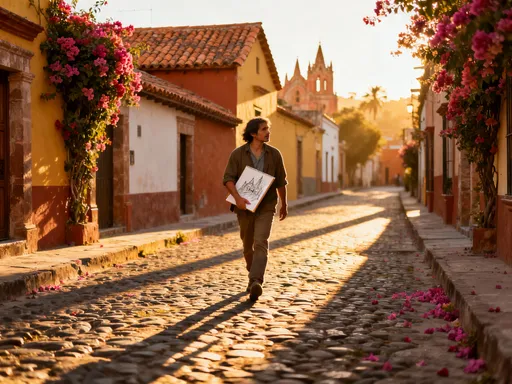
Milan’s true character lies not in its reputation as Italy’s financial hub, but in its layered identity as a cradle of art, faith, and daily ritual. The contrast between expectation and reality becomes clear as you walk through narrow lanes in the Brera district, where ivy climbs weathered stone walls and artists sketch in sunlit piazzas. This is a city that wears its elegance lightly—less about show, more about substance. Locals don’t rush past landmarks; they live beside them, their routines woven into the fabric of history. The Duomo isn’t just a photo op—it’s a backdrop to morning commutes, lunch breaks, and evening strolls.
What surprises first-time visitors is how quickly Milan shifts from corporate to cultural. One moment you’re in a glass-walled office zone, the next you’re standing before a 15th-century church with frescoes peeling gently under centuries of air. This duality is part of its charm. Milan doesn’t erase its past for progress; it layers them, allowing both to coexist. For the mindful traveler, this means every turn offers a new perspective—not just of architecture, but of how a city can honor tradition while moving forward.
Morning Rituals: Starting Like a Milanese
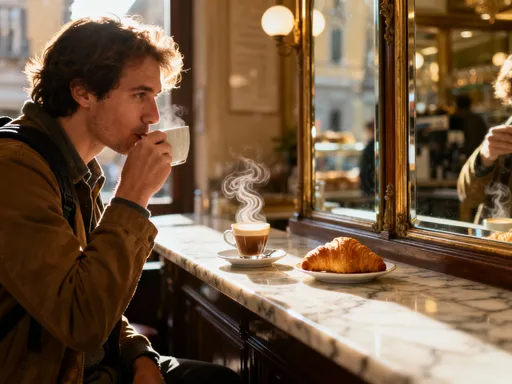
To understand Milan, begin at dawn. The city wakes early, not with grand fanfare, but with quiet routine: the clink of espresso cups, the rustle of newspaper pages, the soft hiss of steam from a coffee machine. In neighborhood bars—small, unassuming cafes tucked into every corner—locals gather for their morning ritual. They don’t sit. They stand at the counter, exchange a few words with the barista, and drink their coffee in three quick sips before heading to work. This is the soul of Milanese life: simple, efficient, deeply rooted in custom.
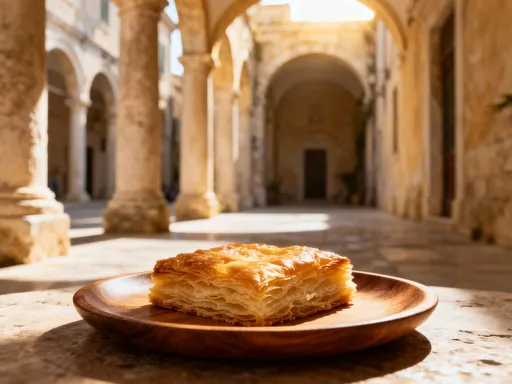
Ordering like a local means knowing the unspoken rules. First, pay at the register before approaching the bar. Second, ask for a “caffè” if you want espresso—anything else requires a more specific request. Third, drink it fast. Lingering is for afternoons and aperitivo, not mornings. Skipping breakfast here isn’t just a missed meal; it’s a disconnection from the city’s rhythm. A warm cornetto from a pasticceria—flaky, buttery, sometimes filled with custard or jam—is more than pastry. It’s a shared experience, a small luxury woven into the everyday.
Some of the best pasticcerie are family-run, their counters lined with marzipan fruits, almond tarts, and seasonal specialties. In the Porta Romana district, one such shop opens at 6:30 a.m., its windows fogged with warmth. By 7:30, a line forms outside—not for tourists, but for regulars who know the difference between mass-produced and handmade. Watching the bakers work, dusting flour like snow over dough, reminds you that Milan’s elegance isn’t just in its fashion. It’s in the care behind every detail, from the stitching of a suit to the shaping of a pastry.
Duomo di Milano: More Than Just a Cathedral
Rising like a lace sculpture from the heart of the city, the Duomo di Milano is one of Europe’s most extraordinary Gothic cathedrals. Its façade is a forest of 135 spires, each topped with a statue, and its surface is carved with over 3,000 sculptures. Construction began in 1386 and wasn’t completed until 1965—a span of nearly six centuries. To stand beneath it is to feel the weight of time, devotion, and human ambition. But the Duomo is not just a monument to faith. It’s a living part of Milan’s identity, a place where locals meet, tourists marvel, and light shifts across marble like a slow dance.
One of the most unforgettable experiences is climbing to the rooftop. Accessible by stairs or elevator, the upper walkway allows you to walk among the spires, touch the weathered stone, and look down on the city as few ever do. From this height, Milan unfolds in a patchwork of red rooftops, tree-lined avenues, and distant Alps. The contrast between the cathedral’s intricate details and the modern city around it is striking. You can see the sleek towers of Porta Nuova, the green stretch of Sempione Park, and the winding canals of Navigli—all from a vantage point that feels timeless.
For a deeper understanding, consider an early-access tour or a guided visit. These often include access to the cathedral’s archaeological area and the crypt, where remnants of earlier churches and Roman ruins lie beneath the current structure. The crypt, dimly lit and serene, offers a quiet counterpoint to the bustling piazza above. It’s a reminder that Milan has stood here for millennia, layer upon layer of history buried beneath the present. Visiting at dawn, when the crowds are thin and the marble glows in soft light, transforms the experience from sightseeing to something more profound—a moment of stillness in a city that rarely stops moving.
Hidden Courtyards and Secret Passages: Milan’s Quiet Side
Away from the main thoroughfares, Milan reveals a quieter, more intimate side. Tucked behind unmarked doors and narrow alleyways are the city’s cortili—historic inner courtyards that once served as communal spaces for artisans, nobles, and religious communities. These hidden oases are easy to miss, but they offer some of the most authentic glimpses into Milan’s past. In the Brera district, one such courtyard lies behind a heavy wooden door marked only by a small plaque. Step inside, and the noise of the city fades. Sunlight filters through ivy-covered arches, and a stone fountain trickles softly in the center.
Many of these spaces are still in use—some as private residences, others as cultural centers or libraries. The Biblioteca Ambrosiana, founded in the 17th century, houses one of Italy’s oldest public libraries and a renowned art collection. Its courtyard, designed by architect Francesco Maria Richini, is a masterpiece of symmetry and tranquility. Students read under arcades, scholars pass through with leather-bound books, and visitors pause to admire the frescoed walls. It’s a place where knowledge and beauty coexist, much like the city itself.
Exploring these hidden spaces requires no map, only curiosity. Turn down a side street in Navigli, follow the sound of water from the old canals, and you might stumble upon a forgotten chapel or a courtyard blooming with wisteria. These moments can’t be rushed or scheduled. They happen when you allow yourself to wander without destination, to notice the texture of a wall, the curve of a staircase, the way light falls at a certain hour. In a world of curated travel itineraries, Milan’s cortili remind us that the most meaningful discoveries are often the unplanned ones.
Art with Soul: Pinacoteca di Brera and Leonardo’s Legacy
Milan is home to some of the most emotionally powerful art in Europe, and few places capture this better than the Pinacoteca di Brera. Housed in a neoclassical palace with a garden courtyard, the gallery feels more like a scholar’s retreat than a museum. Its collection spans centuries, from medieval religious panels to 19th-century Italian masterpieces. But the heart of the experience lies in the works of Caravaggio, whose use of light and realism transformed Western art.
Standing before his *Supper at Emmaus* is a moment of quiet revelation. Painted in 1606, the scene captures the instant when two disciples recognize the resurrected Christ. The table is set with bread, wine, and fruit—elements rendered with such detail they seem almost tangible. But it’s the faces that hold you: the shock, the awe, the sudden understanding. Caravaggio doesn’t idealize his figures; he shows them as real people, caught in a moment of profound transformation. To see this painting in person, without glass or barriers, is to feel its emotional weight in a way no reproduction can convey.
Equally moving is the experience of visiting Santa Maria delle Grazie to see Leonardo da Vinci’s *The Last Supper*. Unlike most artworks, this one cannot be viewed freely. Access is strictly timed, limited to 25 people at a time, and requires booking weeks in advance. The reason is preservation—the painting, completed in the 1490s, has suffered centuries of damage and restoration. But the controlled environment adds to its gravity. As you enter the refectory, you’re asked to stand quietly, to absorb the scene in silence.
What strikes most visitors is not just the composition—the dramatic tension, the gestures, the expressions—but the humanity in the figures. Judas clutches his bag of silver, Peter looks angry, John appears sorrowful. Leonardo captured not just a moment, but a range of emotions, making the divine feel intimately human. The experience lasts only 15 minutes, but it lingers long after. It’s a reminder that art, at its best, doesn’t just decorate a wall. It speaks across time, connecting us to the minds and hearts of those who came before.
Aperitivo Culture: The Milanese Way to Unwind
If morning belongs to espresso, evening belongs to aperitivo—the Milanese ritual of pre-dinner drinks and light bites. More than just a cocktail hour, aperitivo is a social institution, a time to unwind, reconnect, and savor the day’s end. It typically begins between 6:30 and 8:30 p.m., when bars transform into lively gathering spots. Order a drink—a spritz, a glass of white wine, or a negroni—and in return, you’re granted access to a buffet of snacks: olives, cheeses, bruschetta, pasta salads, and sometimes even hot dishes.
The price? Usually between €8 and €12, depending on the location and quality of the spread. In Navigli, the canalside district known for its bohemian charm, aperitivo is casual and convivial. Long tables fill with friends laughing over shared plates, musicians play in the square, and boats glide silently along the water. In Corso Como, the scene is more polished—designer clothes, curated playlists, and art installations in the bar’s courtyard. Both versions are authentic, each reflecting a different facet of Milanese life.
What makes aperitivo special isn’t just the food or drink, but the spirit behind it. It’s about slowing down, about presence. In a city that values efficiency, this ritual carves out space for connection. It’s not about getting drunk or rushing through drinks; it’s about savoring, sharing, and being together. For visitors, joining an aperitivo isn’t just a way to eat affordably—it’s a way to live like a local, even if just for an evening. And as the sun sets over the rooftops and the city lights begin to glow, you’ll understand why this moment is cherished.
Day Trip Possibilities: Lake Como and Sforza Castle
No visit to Milan is complete without venturing beyond the city limits. Just an hour by train, Lake Como offers a dramatic contrast to urban life. Nestled in the foothills of the Alps, the lake is framed by steep green slopes, historic villas, and charming towns like Bellagio and Varenna. A lakeside walk in the morning air, the scent of pine and water mingling, feels like stepping into a postcard. Ferries connect the villages, their wakes cutting through the glassy surface, while hikers disappear into mountain trails above.
The beauty of Lake Como lies not just in its scenery, but in its tranquility. After days of city energy, the stillness is restorative. Sit at a café in Cernobbio, order a cappuccino, and watch the world move at a different pace. Visit Villa del Balbianello, a 18th-century estate with terraced gardens that have appeared in films like *Casino Royale* and *Star Wars*. Or simply find a quiet bench, breathe deeply, and let the landscape fill your senses. It’s a reminder that Italy’s magic isn’t confined to cities—nature, too, holds its own kind of artistry.
Back in Milan, the Sforza Castle offers another dimension of the city’s heritage. Built in the 15th century as a fortress, it now houses several museums, including collections of ancient art, musical instruments, and Michelangelo’s final sculpture, the *Rondanini Pietà*. The castle’s vast courtyard and surrounding park—Parco Sempione—are perfect for a late afternoon stroll. Children play, couples walk hand in hand, and artists sketch beneath the trees. The contrast between the castle’s imposing walls and the park’s gentle greenery mirrors Milan itself: strong yet graceful, historic yet alive.
Combining city intensity with nearby nature creates a balanced travel experience. A morning in the Duomo, an afternoon at Brera, an evening aperitivo—then a day of lakeside calm or castle exploration. This rhythm allows you to absorb Milan not just as a destination, but as a way of life. It’s a city that respects both energy and stillness, tradition and innovation, the grand and the intimate.
Conclusion
Milan reveals itself in layers—not through grand gestures, but in small, sensory moments. From the hush of a Renaissance chapel to the buzz of a crowded bar, it’s a city that rewards curiosity and presence. This isn’t just a stopover—it’s a destination with depth, waiting to be lived, not just seen. The true magic of Milan isn’t in checking off landmarks, but in letting them become part of your own story. It’s in the taste of espresso at dawn, the texture of ancient stone under your fingers, the shared silence before a masterpiece.
Travelers who come seeking fashion find much more: a city that honors its past while moving forward, that values beauty in both art and daily life, that offers both intensity and peace. Whether you’re wandering through a hidden courtyard, standing beneath the spires of the Duomo, or raising a glass during aperitivo, you’re not just visiting Milan. You’re experiencing a way of being—thoughtful, elegant, deeply human. And that, more than any souvenir, is what you’ll carry home.