Where Art Meets Volcano Views in Antigua’s Wild Beauty
You know that feeling when nature and creativity collide in the most unexpected way? That’s Antigua, Guatemala for you. Between its cobblestone streets and misty highlands, I discovered how art thrives where nature whispers—through cloud forests, volcanic trails, and hidden garden studios. This isn’t just a travel tale; it’s about how landscapes shape imagination. And honestly? I didn’t expect to find so much soul in one little city surrounded by green fire. Here, every shadow cast by a volcano seems to carry a brushstroke, every breeze through the eucalyptus trees hums with inspiration. Antigua doesn’t simply host art—it breathes it, grows it, lives it.
The Palette of the Highlands: Antigua’s Natural Canvas
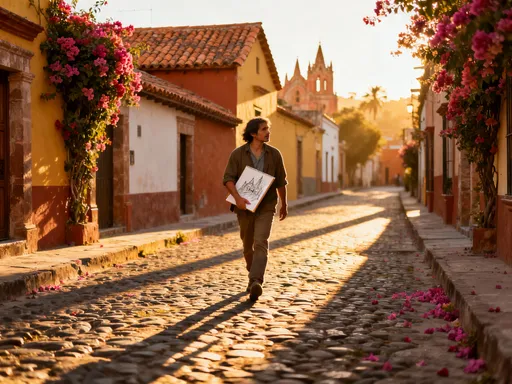
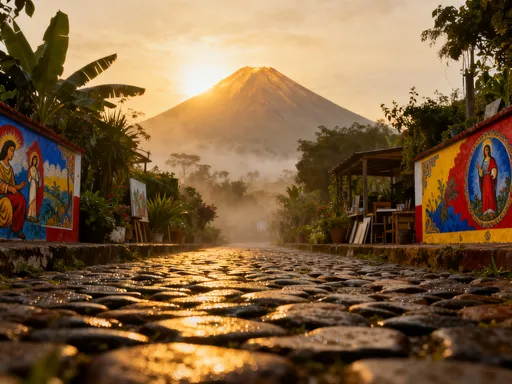
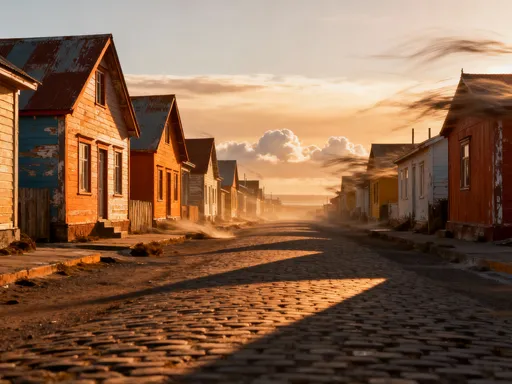
Antigua rests at the heart of a dramatic geological embrace—cradled between three volcanoes, with Agua standing guard just to the south. Its symmetrical cone, often veiled in morning mist, has become an enduring symbol of the city’s aesthetic soul. The elevation, sitting at about 1,500 meters above sea level, delivers a climate that is neither too hot nor too cold, but consistently crisp, with sunlight that feels softer, kinder, almost curated. This is not the harsh, direct light of tropical lowlands, but a diffused glow that filters through highland clouds, casting a golden hue over colonial facades and cobblestone alleys. Artists have long recognized this quality of light as more than atmospheric—it is a collaborator, shaping how color is perceived and captured on canvas.
The city’s natural palette shifts with the seasons, each transition offering a new source of inspiration. During the dry season, from November to April, the skies are reliably clear, and the contrast between deep blue heavens and the dark green flanks of the volcanoes becomes almost painterly. Dust from the surrounding fields rises in gentle plumes, catching the afternoon sun in warm ochres and siennas—colors that frequently appear in local artworks. In the rainy season, from May to October, Antigua transforms into a lush dreamscape. Rain-washed streets glisten, moss spreads over ancient stones, and bursts of red, purple, and yellow blooms erupt from bougainvillea and hibiscus. This vibrancy finds its way into the pigments of murals and textiles, echoing the land’s seasonal rhythm.
Agua Volcano, though dormant, is ever-present. Its silhouette frames the city from nearly every vantage point, influencing architectural proportions and artistic composition alike. Painters often use its form as a central motif, not just as a geographical marker but as a symbol of stability and quiet power. The way light plays across its slopes at dawn or dusk creates gradients of violet, gray, and rose—nuances that artists strive to replicate in their studios. Even photographers, whether amateur or professional, find themselves returning again and again to capture the same view, each time discovering a new interplay of shadow and color. In this way, the volcano is not merely scenery; it is a silent mentor, teaching patience, balance, and the beauty of slow, natural change.
Art in the Open Air: Street Murals and Nature’s Influence
Walk through Antigua’s narrow streets, and you’ll quickly realize that art isn’t confined to galleries—it lives on walls, arches, and alleyways. The city’s street murals form a visual dialogue between culture and nature, where jaguar prints merge with floral patterns, and quetzal birds soar above abstract geometric designs. These works are not random decorations but intentional expressions of identity, rooted in both Mayan heritage and contemporary environmental awareness. Many murals depict native species—resplendent quetzals, howler monkeys, orchids, and ceiba trees—interwoven with symbols from pre-Columbian cosmology. The message is clear: nature is sacred, interconnected, and worthy of reverence.
What sets Antigua’s murals apart is their material honesty. Increasingly, artists are turning to natural pigments and recycled paints, reducing chemical runoff and honoring the environment they depict. Some collect volcanic ash or clay from nearby slopes to mix into their base coats, grounding their art in the very earth it celebrates. Others use leftover architectural materials—broken tiles, reclaimed wood, or discarded metal—to create textured mosaics that reflect the city’s layered history. This commitment to sustainability is not performative; it is practical, born from a deep understanding that art and ecology are inseparable.
Perhaps the most powerful aspect of Antigua’s mural culture is its conversation with decay. The city is dotted with the ruins of 18th-century churches, their crumbling arches and exposed bell towers standing as monuments to time and resilience. Artists often paint directly onto or beside these structures, creating a visual tension between ruin and renewal. A mural of blooming vines might climb a fractured stone wall, suggesting regrowth. A painted hummingbird might hover near a collapsed dome, symbolizing fleeting beauty. These contrasts are not accidental—they reflect a worldview in which destruction and creation coexist, much like the volcanic landscape itself, where fire gives rise to fertile soil. In this way, street art becomes a form of storytelling, one that honors the past while imagining a more harmonious future.
The Studio Gardens: Where Creativity Grows Wild
Scattered throughout Antigua’s quieter neighborhoods are hidden oases—artist studios that double as botanical sanctuaries. These are not formal galleries but living spaces where creativity is nurtured by soil, scent, and silence. Some are open to visitors by appointment, others remain private retreats, but all share a common philosophy: that nature is not just a subject to be painted, but a partner in the creative process. In these garden studios, sculpture emerges from stone and vine, paintings hang beneath flowering trellises, and poetry is written beside bubbling fountains.
One might find a bronze figure half-buried in moss, its surface softened by rain and time, blending seamlessly into the landscape. Another studio might feature canvases propped against banana trees, where the rustle of leaves provides a constant soundtrack. Jasmine and gardenia perfume the air, while the occasional call of a clay-colored robin or rufous-capped warbler adds to the sensory tapestry. These spaces are designed to slow the mind, to encourage observation, to invite the kind of deep attention that fuels original work.
Many artists in Antigua practice what could be called ecological immersion—spending hours tending to plants, pruning hedges, or simply sitting in stillness, absorbing the rhythms of the garden. This time is not seen as separate from their art but as integral to it. The texture of lichen on a garden wall might inspire a new brush technique. The way light filters through a canopy of avocado leaves could influence a color palette. Some artists even incorporate organic materials directly into their work—pressed flowers in resin, leaf imprints on clay, or natural dyes extracted from garden plants. These studio gardens are more than workplaces; they are sanctuaries where the boundary between artist and environment dissolves.
Volcanic Trails as Muse: Hiking with an Artist’s Eye
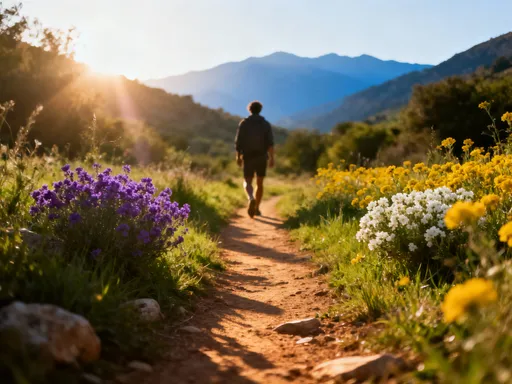
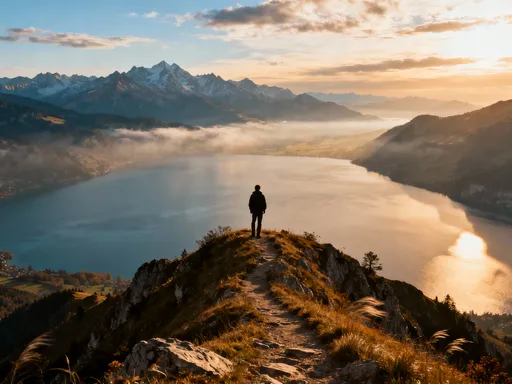
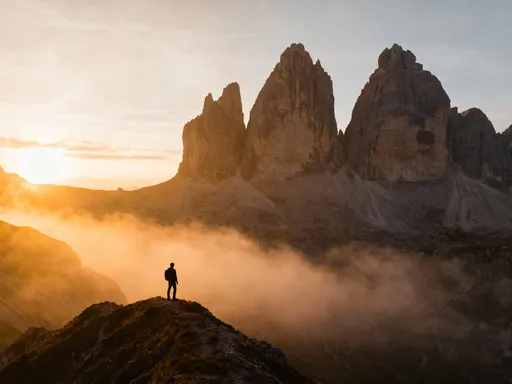
To understand Antigua’s artistic spirit, one must step beyond the city and onto the trails that wind through its volcanic terrain. Hikes up Pacaya or around the base of Acatenango are not merely physical challenges—they are sensory pilgrimages. The landscape here is raw and dynamic: fields of blackened lava, steaming fissures, wild orchids clinging to rocky outcrops, and streams fed by highland springs. Each element offers a lesson in contrast, texture, and transformation—concepts that resonate deeply in artistic practice.
Walking these trails, one begins to see like an artist. The cracked surface of cooled lava becomes a study in abstract form. The gradient of green—from emerald ferns to dusty sage grasses—suggests a natural color wheel. The way mist rolls down the mountainside at dawn creates layers of depth and mystery, much like a layered wash in watercolor. Many local artists carry sketchbooks on these hikes, capturing fleeting impressions before they fade. Others return to their studios with photographs, soil samples, or pressed leaves—fragments of the landscape they will later reinterpret.
In recent years, art collectives in Antigua have begun organizing “paint-and-hike” excursions, blending physical movement with creative expression. These events start at sunrise, with participants ascending gentle slopes while carrying compact easels and portable palettes. At designated viewpoints, they pause to paint en plein air, responding directly to the light, wind, and terrain. The resulting works are not polished masterpieces but honest records of experience—quick strokes, bold colors, imperfect lines. What matters is the act of engagement, the dialogue between hand, eye, and environment. These outings also foster community, connecting artists across generations and disciplines, all united by a shared reverence for the land.
The volcanic landscape, with its history of destruction and renewal, also influences artistic themes. Many works created after such hikes explore ideas of resilience, impermanence, and regeneration. A canvas might feature cracked earth giving way to sprouting seeds, or a charcoal drawing might depict smoke transforming into birds. The power of the volcanoes—both creative and destructive—finds its way into the art, not as fear, but as awe. In this way, hiking becomes a form of research, a way of gathering not just images, but meaning.
Markets of Color: Natural Dyes and Artisan Craft
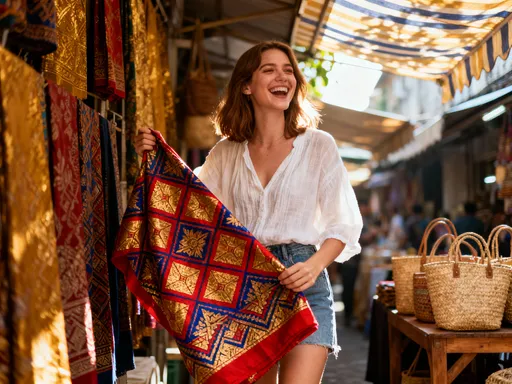
No exploration of Antigua’s art scene is complete without a visit to its bustling markets, where color is not just seen but felt, touched, and worn. Stalls overflow with handwoven textiles in dazzling hues—deep indigo, fiery cochineal red, earthy bark brown, and sunflower yellow. These are not synthetic dyes but natural pigments, extracted from sources that have been used for centuries. Cochineal, a tiny insect that lives on nopal cacti, produces one of the most vibrant reds in the world. Indigo, derived from fermented plant leaves, yields a blue so rich it seems to hold the sky itself. Tree barks, flowers, and even mineral clays contribute to this living palette.
Visitors can observe artisans at work, grinding pigments, soaking threads, and weaving intricate patterns on traditional backstrap looms. The process is slow, deliberate, and deeply connected to the land. A weaver might explain how the rainy season affects the quality of indigo, or how the altitude changes the intensity of cochineal dye. These traditions are not museum pieces—they are living practices, passed down through families and continuously adapted. Contemporary artists often collaborate with weavers, incorporating traditional textiles into mixed-media installations or fashion designs that bridge heritage and modernity.
For travelers, the opportunity to participate in a natural dye workshop is one of the most meaningful ways to connect with Antigua’s creative culture. Under the guidance of local artisans, guests can dip fabric into vats of simmering marigold or avocado pits, watching as pale cloth transforms into something vivid and personal. These hands-on experiences create a deeper appreciation for the labor, knowledge, and environmental wisdom behind every hue. More than souvenirs, these dyed textiles become tokens of connection—reminders that art begins not in a store, but in soil, sun, and stewardship.
Seasons of Inspiration: How Weather Shapes Artistic Rhythms
In Antigua, the rhythm of artistic life is closely tied to the weather. The city’s two distinct seasons—the dry and the rainy—bring different energies, different moods, and different forms of creative output. During the dry season, when the skies are clear and the air is crisp, outdoor art flourishes. Murals are painted, sculptures are installed in public spaces, and open-air markets buzz with activity. The reliable sunlight encourages bold colors and large-scale works, as artists take advantage of long, productive days.
But it is the rainy season that brings a more introspective energy. Mornings often begin with a soft blanket of fog, slowly lifting as the day progresses. This misty atmosphere inspires quieter, more contemplative work—ink drawings, poetry, textile art with subtle gradients. Studios become cozy retreats, where artists work by lamplight, surrounded by the sound of rain on tile roofs. The slower pace allows for deeper focus, for experimentation, for projects that require patience and precision.
Seasonal festivals also play a role in shaping artistic expression. During certain celebrations, communities create temporary earth art using petals, leaves, and seeds. These intricate designs, often laid out in plazas or along processional paths, are not meant to last. Their impermanence is part of the message—a reminder of nature’s cycles, of beauty in transience. Artists contribute by designing patterns, organizing volunteers, or documenting the creations before they fade. These events reinforce the idea that art does not need permanence to have meaning; sometimes, the most powerful works are those that return to the earth.
Why This Fusion Matters: Protecting Nature to Preserve Art
The relationship between art and nature in Antigua is not merely aesthetic—it is existential. The city’s creative identity is inseparable from its environment. Should the forests thin, the rivers dry, or the air grow hazy with pollution, the very wellspring of inspiration would diminish. Recognizing this, local artists, conservationists, and community leaders have formed alliances to protect Antigua’s natural heritage. Reforestation projects, clean-up campaigns, and eco-education programs are increasingly common, often led or supported by members of the art community.
Some artists donate proceeds from sales to environmental causes. Others create works specifically to raise awareness—paintings that depict endangered species, installations made from recycled plastic, or murals that call for water conservation. Schools and cultural centers host workshops that teach children how to make art from natural, sustainable materials, instilling values of stewardship from a young age. These efforts are not grand gestures but quiet, consistent actions—proof that creativity can be a force for preservation.
For travelers, this fusion offers a profound invitation. To visit Antigua is not just to see beautiful art or stunning landscapes, but to witness a living example of harmony between human expression and the natural world. It challenges us to consider how our own surroundings shape our creativity, and how we might protect the sources of inspiration in our own communities. Come to Antigua not as a passive observer, but as a participant—walk the trails, touch the dyed fabric, stand before a mural and let it speak. Feel how the volcano watches, how the garden breathes, how the light paints the walls. Because here, nature doesn’t just inspire art. It *is* the art.