You Gotta See Napier from These Spots – Mind-Blowing Views Await
Napier, New Zealand, is more than just Art Deco streets and coastal charm—it’s a city best understood from above, below, and all around. I hit the trails, climbed the hills, and chased sunsets just to find the most breathtaking viewpoints. What I discovered wasn’t just stunning scenery, but a whole new way to experience this unique destination. If you're planning a trip, trust me—seeing Napier from these vantage points changes everything.
Why Viewpoints Make or Break Your Napier Experience
When you visit Napier, the way you see the city shapes how you remember it. A stroll down Art Deco-lined streets is memorable, but standing above the city as the sun paints the bay in gold and crimson—that’s transformative. Viewpoints offer more than just photo opportunities; they provide context, perspective, and emotional resonance. From elevated vantage points, Napier reveals its layered identity: a resilient coastal city rebuilt after an earthquake, nestled between the Pacific Ocean and the rolling hills of Hawke’s Bay.
The psychological impact of panoramic views is well documented. Expansive vistas trigger a sense of awe, a feeling linked to increased well-being, reduced stress, and a deeper connection to place. In Napier, this effect is amplified by its unique geography. The city lies in a natural amphitheater—flanked by the sea on one side and the rugged coastal hills on the other. This topography creates dramatic elevation changes, meaning that even short climbs reward visitors with sweeping overlooks. Whether you're gazing across vineyard-dotted valleys or watching fishing boats glide over shimmering waters, the sense of space and clarity is immediate.
For travelers, especially those traveling with family or on a relaxed holiday, these moments of pause are invaluable. They offer a break from the routine of sightseeing and allow time for reflection. Parents can point out landmarks to children, couples can share quiet moments, and solo travelers can absorb the landscape in solitude. The act of looking out—of taking it all in—becomes a form of mindfulness. And in a world where we often rush from one attraction to the next, Napier’s viewpoints invite us to slow down and truly see.
Moreover, understanding Napier from multiple perspectives helps appreciate its history. The 1931 earthquake that reshaped the region also created new landforms, including raised coastal terraces that now serve as natural lookouts. From these heights, you can trace the city’s rebirth in its geometric street patterns and preserved Art Deco architecture. The view becomes a story—one of resilience, renewal, and harmony with nature. Choosing to seek out these vantage points isn’t just about better photos; it’s about deepening your connection to a place that deserves to be felt, not just seen.
Bluff Hill (Pohoareare): The Classic Must-See Vista
No visit to Napier is complete without a trip to Bluff Hill, known locally as Pohoareare. This prominent headland offers one of the most accessible and rewarding panoramic views in the region. Whether you drive, cycle, or hike up, the effort is always worth it. The summit provides a 360-degree outlook that captures the essence of Hawke’s Bay: the sparkling Pacific Ocean to the east, the sprawling vineyards to the west, and the sunlit cityscape of Napier nestled between them.
There are several ways to reach the top, each offering its own experience. The most direct route is by car via Bluff Road, which winds gently upward with ample parking at the summit. For those seeking a more active approach, the walking track from the western side begins near the Tom Parker Track entrance and climbs steadily through native bush and coastal scrub. The trail is well-maintained, taking about 25 to 35 minutes for an average walker. Families with older children will find this route manageable, though younger kids may need encouragement on the steeper sections.
Once at the top, the view unfolds in all directions. To the north, you can trace the curve of Napier’s coastline from Westshore all the way to the Port of Napier. The rebuilt city center, with its distinctive Art Deco grid, looks almost miniature from this height. To the south, the coastline stretches toward Cape Kidnappers, with its famous gannet colony perched on dramatic cliffs. On clear days, the outline of the Mahia Peninsula is visible across Hawke Bay, a testament to the region’s expansive visibility.
Sunrise and sunset are particularly magical times to visit. At dawn, the first light spills over the ocean, turning the water into molten gold. By evening, the city lights begin to flicker on, creating a soft glow against the darkening sky. Photographers will appreciate the long, even light during these hours, while casual visitors can simply enjoy the stillness. Picnic tables and viewing platforms are available, making it easy to linger. A signposted information panel explains the Māori history of the area, including the significance of Pohoareare as a pā (fortified village) site, adding cultural depth to the visual splendor.
For safety, visitors should stay on marked paths, especially near cliff edges where wind can be strong. While the summit is generally safe and well-visited, it’s wise to wear sturdy shoes and bring water, particularly in summer. Dogs are allowed on leash, making it a pet-friendly destination. Whether you come for the view, the history, or the quiet moment above the world, Bluff Hill delivers on every level.
The Clifton Lookout Trail: Coastal Cliffs and Hidden Paths
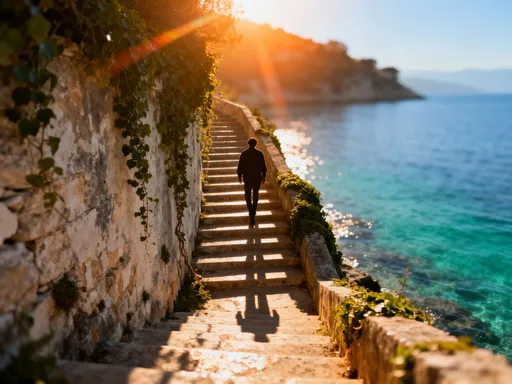
If Bluff Hill offers a grand overview, the Clifton Lookout Trail provides an intimate encounter with Napier’s rugged coastline. Tucked away in the eastern suburbs, this walking track begins near the Clifton Surf Lifesaving Club and winds along the edge of dramatic limestone cliffs. The trail is less crowded than other viewpoints, offering a sense of solitude and raw natural beauty. It’s an ideal choice for those who want to escape the busier tourist spots and experience Napier’s wilder side.
The path itself is a mix of compacted gravel, wooden boardwalks, and natural rock steps. While generally well-maintained, some sections can be uneven or slippery after rain, so proper footwear is essential. The full loop takes about 45 minutes to an hour at a leisurely pace, covering roughly 2.5 kilometers. It’s suitable for older children and adults with moderate fitness, though not recommended for strollers or those with mobility challenges. Along the way, interpretive signs share insights into the local geology, marine life, and native plants, enriching the experience with educational value.
As you progress, the trail offers a series of vantage points, each revealing a different aspect of the coastline. One moment, you’re looking straight down at waves crashing against black rock formations; the next, you’re gazing across open ocean with seabirds gliding below eye level. The main Clifton Lookout is the highlight—a wide platform built into the cliffside with unobstructed views eastward. On calm days, the water shimmers in shades of turquoise and deep blue; during storms, it churns with power and drama. It’s a place that changes with the weather, making it worth revisiting in different conditions.
Photographers will find endless opportunities here. The interplay of light and shadow on the cliffs, the contrast between sea and sky, and the dynamic movement of waves create compelling compositions. Early morning visits offer soft lighting and fewer people, while late afternoon brings warm, golden tones. For families, it’s a chance to teach children about coastal ecosystems and the importance of conservation. Benches are placed at key spots, inviting rest and reflection. The sound of the ocean, the smell of salt in the air, and the cool breeze combine to create a deeply sensory experience.
Because the trail runs close to private property in places, visitors are asked to respect signage and stay on designated paths. Littering is not only discouraged but damaging to the fragile environment. The ‘leave no trace’ principle applies here: take only photos, leave only footprints. With mindful behavior, this beautiful spot can remain pristine for future generations. For those seeking a peaceful, scenic walk with rewarding views, the Clifton Lookout Trail is a hidden gem worth discovering.
Hawke’s Bay Trails from Above: Cycling Routes with a View
Napier is renowned for its cycling culture, and the Hawke’s Bay Cycle Trail is one of New Zealand’s most celebrated networks. But beyond the flat, riverside paths, there are elevated sections that offer stunning vistas and a more adventurous riding experience. These routes combine physical activity with visual reward, making them perfect for active travelers who want to see the region from a different angle.
One of the most scenic elevated segments begins near the village of Te Awanga and climbs gently toward the coastal ridge. This part of the trail weaves through farmland and vineyards, with frequent openings that frame panoramic views of the bay. Cyclists can pause at designated rest spots to take in the scenery, snap photos, or simply catch their breath. The trail surface is compacted gravel, suitable for hybrid or mountain bikes. E-bikes are increasingly popular here, helping riders manage the inclines without sacrificing enjoyment.
Another standout route is the loop from Clifton up to the ridge above Cape Kidnappers. While not part of the main cycle trail, it’s a favorite among locals and experienced riders. The climb is moderate but steady, rewarded with breathtaking overlooks of the gannet colony and the Pacific Ocean. From certain points, you can see the entire sweep of Hawke Bay, from Napier in the north to the rugged cliffs in the south. These elevated vantage points are especially striking in the early morning, when mist hovers over the vineyards and the light is soft and golden.
For families or casual riders, shorter elevated sections near Anderson Park or the Hospital Bridge area offer gentler climbs with excellent views. These routes connect seamlessly with the flatter parts of the trail, allowing riders to customize their experience. Many choose to cycle out on the flat, then take a short detour uphill for a panoramic break before returning. Bike rental shops in Napier provide well-maintained equipment and detailed maps, often highlighting the best scenic detours.
When cycling for views, preparation is key. Riders should carry water, sunscreen, and a light jacket, as conditions can change quickly at elevation. A small camera or smartphone with plenty of battery life ensures you don’t miss photo opportunities. Helmets are strongly recommended, and reflective gear adds safety, especially during early or late rides. By combining fitness with sightseeing, these elevated cycling routes offer a dynamic way to experience Napier’s beauty—one pedal stroke at a time.
Sunset at Westshore Beach: Low-Angle Beauty with City Lights
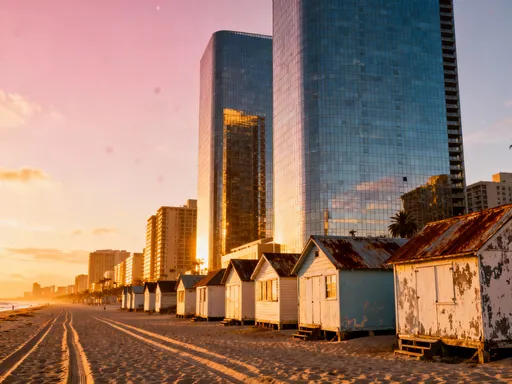
While hilltops and cliffs offer grand panoramas, sometimes the most moving views come from ground level. Westshore Beach, stretching along Napier’s eastern coastline, is one of the best places to experience a sunset in all its quiet glory. Unlike elevated viewpoints, this vantage point brings you eye-level with the horizon, where sea and sky merge in a slow, luminous dance.
The flat, wide sands of Westshore create a natural mirror during low tide, reflecting the colors of the sky with stunning clarity. As the sun dips toward the water, the beach transforms into a canvas of pinks, oranges, and purples. The effect is especially powerful in winter, when the sun sets earlier and the air is crisp. Families often arrive with picnic blankets, thermoses of hot drinks, and cameras ready. Children run along the water’s edge, their laughter blending with the rhythmic crash of waves.
What makes Westshore unique is the way the city lights gradually emerge as darkness falls. From this angle, Napier’s skyline—modest but distinct—begins to glow. Streetlights trace the curves of the esplanade, and the illuminated Art Deco buildings twinkle like stars on land. It’s a gentle urban sparkle, never overwhelming, always inviting. For those who prefer a quieter moment, walking south toward the Napier Port offers fewer crowds and a more secluded experience.
Photographers will appreciate the low-angle lighting, which minimizes harsh shadows and enhances color saturation. Using a tripod allows for long exposures that capture the motion of waves and the trail of light from passing cars. Even smartphone users can achieve beautiful results by enabling night mode and stabilizing the phone on a bag or bench. The key is patience—waiting for the perfect moment when the sky is still lit but the city has come alive.
Westshore is easily accessible by car, with parking available along the esplanade, and public restrooms nearby. It’s also a popular spot for dog walkers, with designated off-leash areas. Whether you come alone, with a partner, or with family, watching the sunset here is a simple pleasure that lingers in memory. It’s a reminder that beauty doesn’t always require elevation—sometimes, it’s found just a few steps from the water’s edge.
Art Deco Rooftop Perspectives: Elevated Culture Meets Scenery
In a city celebrated for its architecture, some of the best views come from within the buildings themselves. A handful of cafes, restaurants, and heritage buildings in Napier offer upper-level or rooftop spaces where visitors can enjoy both the cityscape and a moment of comfort. These vantage points blend cultural appreciation with scenic beauty, allowing you to admire Napier’s Art Deco heritage while taking in the surrounding landscape.
One popular spot is a well-known cafe on Tennyson Street, which features a second-floor balcony with views toward the harbor. From here, you can sip a coffee while watching boats come and go, or admire the geometric facades of neighboring buildings. The balcony is open to patrons, providing a relaxed setting for a midday break. Another location, near the corner of Marine Parade and Emerson Street, offers a rooftop bar with panoramic views—perfect for an evening drink as the city lights come on.
These elevated indoor spaces are especially appealing on cooler days or when seeking shelter from the wind. They allow visitors to experience height and perspective without the physical effort of a hike. Families can enjoy a meal while children look out over the city, and older travelers can take in the view with ease. The blend of comfort and scenery makes these spots ideal for those who want a more leisurely way to see Napier from above.
It’s important to note that not all upper floors are accessible to the public. Respect for private property is essential—many buildings are still private offices or residences. However, several businesses have intentionally designed their spaces to welcome visitors with a view. By supporting these establishments, tourists contribute to the preservation of Napier’s architectural heritage while enjoying its rewards. These rooftop and upper-level experiences prove that great views don’t always require a trail—they can come with a cup of tea and a window seat.
Off-the-Beaten-Path: Local-Favorite Spots Beyond the Map
Beyond the guidebooks and marked trails, Napier has a collection of lesser-known vantage points cherished by residents. These spots aren’t always signposted, and their exact locations are often shared quietly among friends. While it would be irresponsible to publish GPS coordinates—both for environmental protection and to prevent overcrowding—describing their character can inspire mindful exploration.
One such area is a quiet roadside pull-off along the route to Bay View, where a narrow path leads through native scrub to a grassy knoll with sweeping views of the bay. Another is a small park on the western edge of town, overlooked by many tourists, where benches face west for perfect sunset views over the vineyards. These places are unassuming but deeply rewarding—free from crowds, rich in atmosphere, and reflective of the local way of life.
Discovering these hidden viewpoints often involves talking to locals, reading community boards, or simply driving slowly and watching for gaps in the trees. The joy is in the search, the surprise of stumbling upon a perfect perch. But with this privilege comes responsibility. These spaces remain special because they are not overrun. Visitors should practice low-impact tourism: park considerately, avoid loud noises, and carry out all rubbish. Staying on established paths protects native plants and prevents erosion.
Some of the best moments in travel come from unplanned discoveries. A wave from a passing farmer, the sound of tui birds calling from the trees, the sudden appearance of a deer in the distance—these are the details that make a trip memorable. By seeking out these quiet spots with respect and care, travelers honor the community and preserve the magic for others. Napier’s soul isn’t just in its famous landmarks; it’s in these whispered corners, waiting to be found by those who look with patience and kindness.
Conclusion
Viewpoints aren’t just photo ops—they’re moments of connection with place, history, and self. Napier reveals its soul when seen from the right angles. Whether from a hilltop, a quiet trail, or a seaside bench, the perspective shifts everything. Each vantage point tells a different story: of natural beauty, human resilience, cultural pride, and quiet contemplation. Together, they form a mosaic of experience that goes far beyond sightseeing.
For the 30- to 55-year-old traveler—often balancing family, work, and personal well-being—these moments of pause are especially valuable. They offer a chance to breathe, to reconnect, and to see the world anew. Napier, with its gentle climate, welcoming community, and diverse landscapes, provides the perfect setting for such reflection. By seeking out its many viewpoints, you don’t just visit the city—you understand it.
So go, look closely, and let the views transform your journey. Climb the hills, walk the trails, cycle the paths, and linger on the beach. Let the light, the colors, and the quiet beauty of this coastal gem fill your senses. In doing so, you’ll carry more than memories—you’ll carry a renewed sense of wonder.